Pay in installments of $5.87 with
 ,
,
 and
and

Shipping Estimate
USA
- USA
- CAN
- USA
- CAN
Ships within 48 hours · Estimated delivery Jul 18 - Jul 23
 Promo Codes Available:
For Your Every Summer RSVP, with Code: SUMMER15
Description
small palm plant outdoor Pygmy Date Palm Seeds (Phoenix roebelenii) – Compact, Elegant Palm for – Terra Mater GardensPhoenix roebelenii Minimum: 10+ seeds Bring a touch of the tropics to your garden or indoor space with our premium Phoenix roebelenii (Pygmy Date Palm) seeds. Known for its graceful, feathery fronds and compact size, the Pygmy Date Palm is the perfect addition to any landscape or indoor setting. Whether you're a seasoned gardener or a beginner, this easy to grow palm will add elegance and lush greenery to your environment. Product Description The
Phoenix roebelenii
Minimum: 10+ seeds
Bring a touch of the tropics to your garden or indoor space with our premium Phoenix roebelenii (Pygmy Date Palm) seeds. Known for its graceful, feathery fronds and compact size, the Pygmy Date Palm is the perfect addition to any landscape or indoor setting. Whether you're a seasoned gardener or a beginner, this easy-to-grow palm will add elegance and lush greenery to your environment.
Product Description
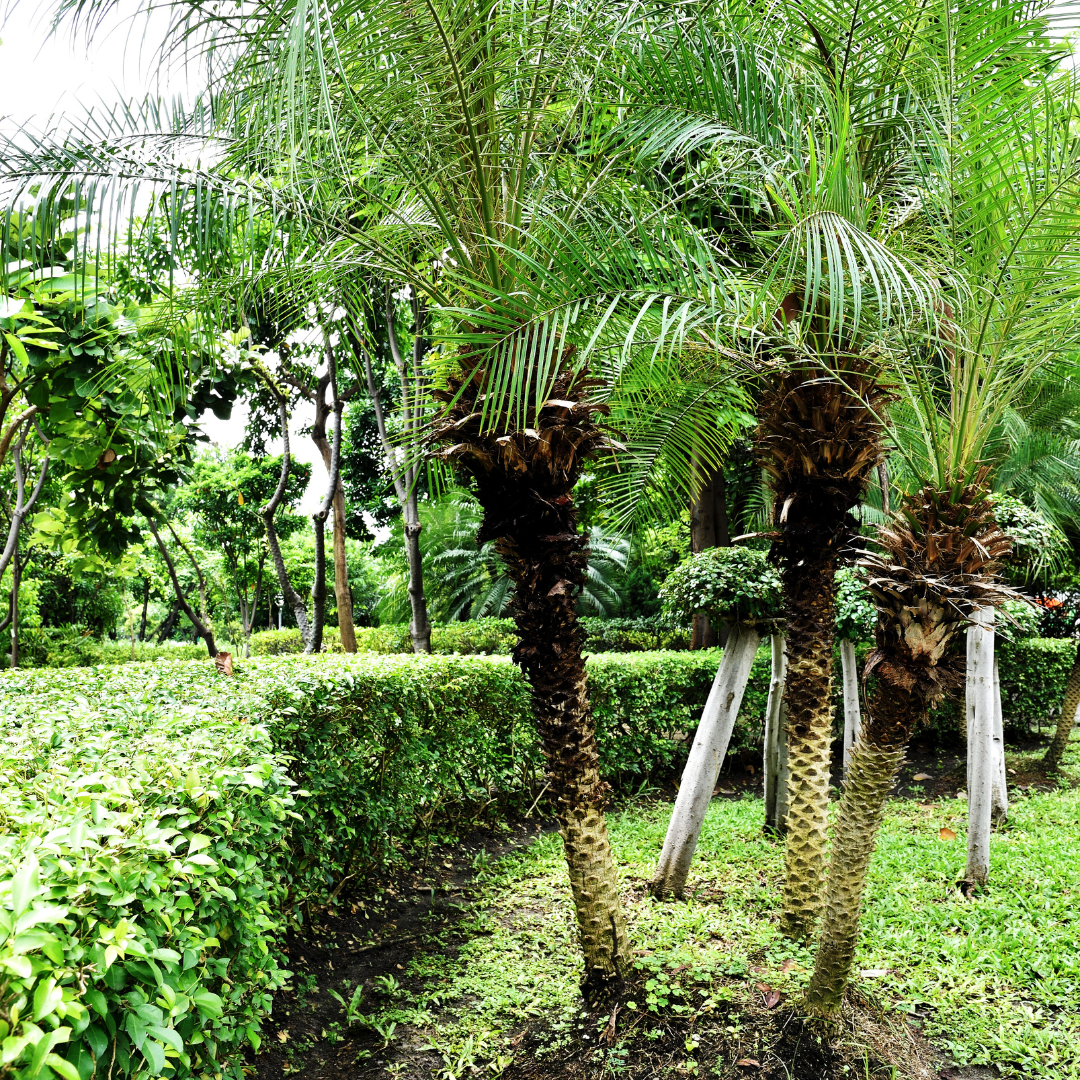
The Phoenix roebelenii, commonly known as the Pygmy Date Palm, is a slow-growing, evergreen palm native to Southeast Asia. With its arching, feathery fronds that can reach up to 4 feet in length, this palm tree is both ornamental and functional. The slender trunk, often adorned with fibrous material, gives it a textured look that enhances its visual appeal. In ideal conditions, the Pygmy Date Palm can grow up to 6-12 feet tall, making it suitable for both indoor and outdoor cultivation.
Growing Tips
- Light: Pygmy Date Palms thrive in bright, indirect light but can also tolerate partial shade. For indoor growing, place near a south or west-facing window for optimal light exposure.
- Soil: Use well-draining soil rich in organic matter. A mix of peat, perlite, and sand is ideal for providing the necessary drainage and aeration.
- Watering: Keep the soil consistently moist, but not waterlogged. Allow the top inch of soil to dry out between waterings. During winter, reduce watering frequency.
- Temperature: This palm prefers warm temperatures between 65-75°F (18-24°C) but can tolerate temperatures as low as 50°F (10°C). Avoid exposing it to frost or cold drafts.
- Fertilization: Feed with a balanced, slow-release palm fertilizer every 2-3 months during the growing season (spring and summer) to promote healthy growth.
- Pruning: Remove dead or yellowing fronds to maintain the palm's appearance and encourage new growth. Be cautious not to over-prune, as this can stress the plant.
Uses
The Pygmy Date Palm is incredibly versatile and can be used in various settings:
- Indoor Decor: Its compact size and graceful appearance make it an excellent choice for living rooms, offices, or entryways.
- Outdoor Landscaping: Ideal for small gardens, patios, or poolside areas, where it can be planted as a focal point or in clusters for a tropical effect.
- Container Gardening: Perfect for growing in pots or containers, allowing you to move it indoors during colder months.
- Privacy Screening: When planted in groups, Pygmy Date Palms can create a natural screen or hedge, adding privacy to your outdoor space.
Why Choose Phoenix Roebelenii?
- Easy to Grow: Perfect for both novice and experienced gardeners.
- Compact Size: Ideal for small spaces, whether indoors or outdoors.
- Tropical Appeal: Adds a lush, exotic vibe to any setting.
- Low Maintenance: Requires minimal care once established.
Germination Instructions
- Preparation: Soak the seeds in warm water for 24-48 hours to soften the outer shell and speed up germination.
- Planting: Sow seeds in a well-draining seed-starting mix, covering them lightly with soil. Maintain consistent moisture and keep the planting medium at a temperature of 75-85°F (24-29°C).
- Germination Time: Seeds typically germinate within 1-3 months, though it can take longer in some cases. Be patient, as the Pygmy Date Palm is known for slow growth.
- Transplanting: Once seedlings have established a few sets of fronds, they can be carefully transplanted into individual pots or directly into the garden.
Conclusion
The Phoenix roebelenii, or Pygmy Date Palm, is a must-have for anyone looking to bring a touch of the tropics to their home or garden. With its elegant fronds, compact size, and low maintenance requirements, this palm is as easy to grow as it is beautiful. Order your seeds today and start cultivating your very own tropical oasis!
Shipping Notes
- Free Standard Shipping on $100+ Orders to the USA.
- Except Preorder products are shipped in 48 hours.
- Delivery to the USA:
- Standard Shipping : 3-10 business days
- If time is of the essence, please consider selecting expedited delivery for faster service.
Exchange/Return Notes
- We offer a 30-day return/exchange service after receiving.
- Final sale items are not eligible for returns or exchanges.
- To process your return/exchange, please contact us at [email protected]
- Please click here for more details>>> Return & Exchange Policy