Pay in installments of $5.72 with
 ,
,
 and
and

Shipping Estimate
USA
- USA
- CAN
- USA
- CAN
Ships within 48 hours · Estimated delivery Aug 8 - Aug 13
 Promo Codes Available:
For Your Every Summer RSVP, with Code: SUMMER15
Description
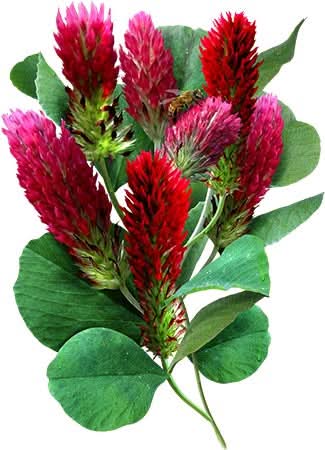
red clover indoor plant Crimson Clover Seeds For Planting (Trifolium incarnatum) – Seed Needs LLCGrow a field of Crimson Clovers, from freshly harvested Trifolium incarnatum clover seeds. Crimson Clover is a beautiful flowering legume that produces crimson red florets. The flower heads are roughly 1 to 2. 5 inches in length and a good 3 4 inch to an inch wide. The foliage is green and appealing to the eye, measuring 24 to 36 inches tall. Crimson Clover flowers are known to produce an abundance of nectar, attracting all sorts of beneficial insects
Grow a field of Crimson Clovers, from freshly harvested Trifolium incarnatum clover seeds. Crimson Clover is a beautiful flowering legume that produces crimson red florets. The flower heads are roughly 1 to 2.5 inches in length and a good 3/4 inch to an inch wide. The foliage is green and appealing to the eye, measuring 24 to 36 inches tall. Crimson Clover flowers are known to produce an abundance of nectar, attracting all sorts of beneficial insects to the garden. You will find that honeybees, bumblebees, butterflies & hummingbirds will cling to these beauties.
Crimson Clover is categorized as an annual cover crop. Annuals will establish themselves from seed, growing quickly and blooming profusely through the warm months of Summer. The plants will later die with the first frost. You can collect Crimson Clover seeds from dried flowers to regrow the following season. Seeds can also fall to the bare ground beneath, allowing fresh, new plants to establish the following season.
Crimson Clover plants are also known as scarlet flower, German clover, Italian clover, French clover and carnation clover. They are well established in to Southern states as a winter annual, due to their ability to grow in cooler temperatures. In the Northern states, Crimson Clover is established as a summer annual. Crimson Clover is also known to produce generous amounts of hay when harvested before the mid-bloom stage. The plants can be very beneficial to livestock and are extremely nutritious, offering up to 25% of crude protein.
Quick Facts
- Type: Flower
- Color: Red
- Height: 24" - 36" Tall
- Width: 8" - 12" Spread per plant
- Season: Annual cover crop
- Zones: 1 to 10
- Environment: Full sun
- Uses: Flower beds or used as a cover crop. Makes an excellent food source for livestock and attracts pollinators.
Sowing The Seed
Crimson Clover seeds are best established by the masses, directly outdoors. When the weather is warm and all danger of frost has passed, begin by clearing your sowing area of all unwanted plant life and weeds. Turn the dirt to prep for sowing. Scatter the seeds to the surface of the soil, spacing them out accordingly. Cover the seeds thinly, with roughly 1/8" to 1/4" of topsoil. Do not bury the seeds as this will hinder growth.
Growing Conditions
Crimson Clover plants are established best in temperatures of at least 70F, in an area that receives full sunlight for the majority of the day. They aren't too picky on soil conditions and are known to grow in sandy, loose soils, as well as clay based soils. A sowing medium with a pH level of 6.6 to 7.5 is best. The area should also be well draining. To increase drainage, we recommend adding a light compost to areas containing hard, compact soil. Water daily until germination has occurred.
Germination & Growth
Crimson Clover is known to germinate in as little as 7 days after sowing, but can take up to 2 weeks. The plants will grow to a mature height of roughly 12 to 36 inches tall, displaying crimson red flowers. The plants can be spaced about 12 inches apart and are best grown in masses. They will attract an array of beneficial insects to the garden and mix very well with other clovers and vetches as well. Establish in fields, naturalized settings and even in a butterfly garden or insectary.
Shipping Notes
- Free Standard Shipping on $100+ Orders to the USA.
- Except Preorder products are shipped in 48 hours.
- Delivery to the USA:
- Standard Shipping : 3-10 business days
- If time is of the essence, please consider selecting expedited delivery for faster service.
Exchange/Return Notes
- We offer a 30-day return/exchange service after receiving.
- Final sale items are not eligible for returns or exchanges.
- To process your return/exchange, please contact us at [email protected]
- Please click here for more details>>> Return & Exchange Policy