Pay in installments of $7.44 with
 ,
,
 and
and

Shipping Estimate
USA
- USA
- CAN
- USA
- CAN
Ships within 48 hours · Estimated delivery Aug 8 - Aug 13
 Promo Codes Available:
For Your Every Summer RSVP, with Code: SUMMER15
Description
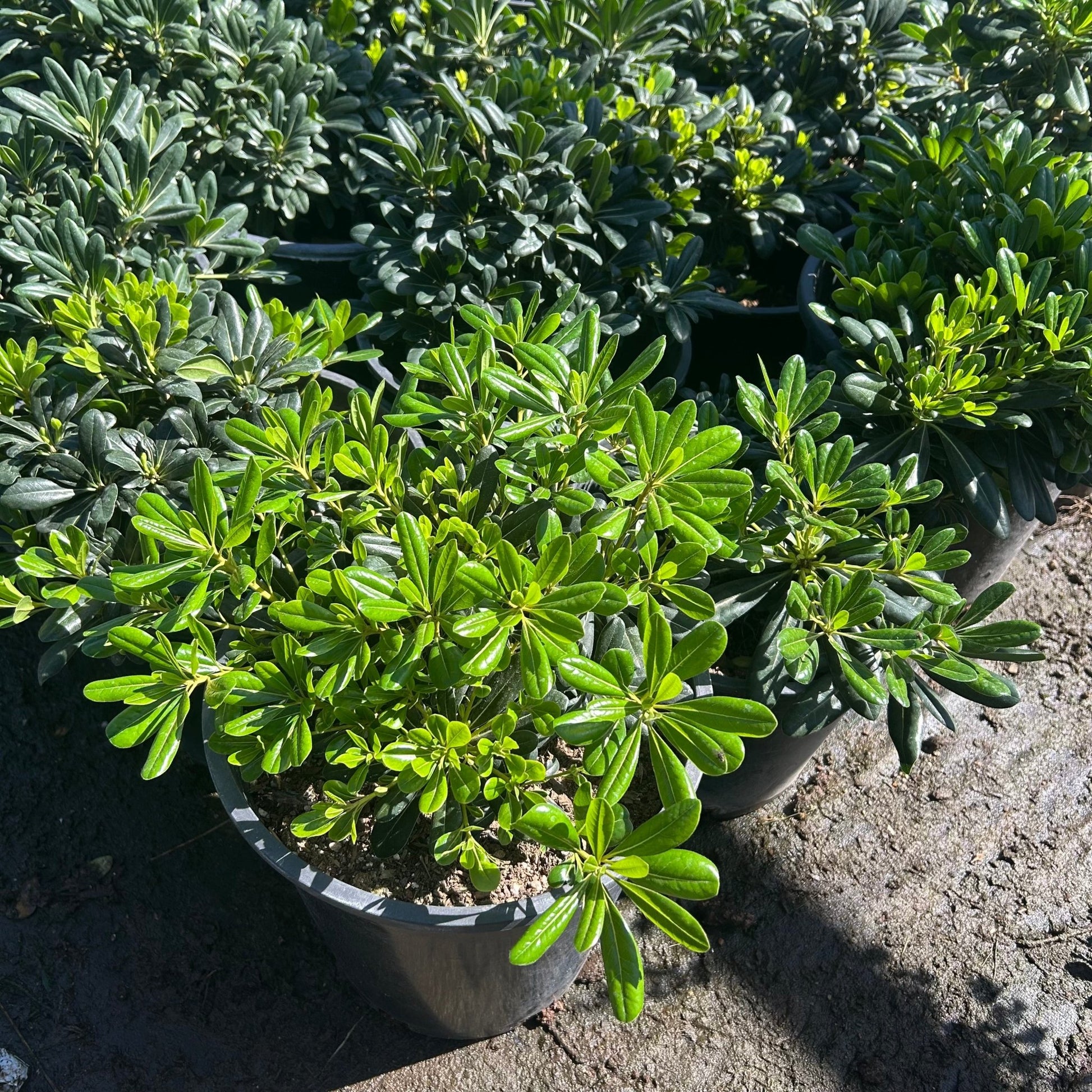
dwarf pot plants Dwarf Pittosporum Shrub Phoenix | Pittosporum tobiraDwarf Pittosporum Compact Evergreen Shrub for Phoenix, Chandler & Gilbert Gardens Add refined, low growing structure to your desert landscape with Dwarf Pittosporum (Pittosporum tobira 'Wheeler's Dwarf'), the compact counterpart to the popular Mock Orange. Homeowners across Phoenix, Chandler, and Gilbert prize this tidy evergreen for its naturally mounded form, glossy deep green leaves, and sweetly fragrant spring blossomsall in a smaller, manageable
Dwarf Pittosporum – Compact Evergreen Shrub for Phoenix, Chandler & Gilbert Gardens
Add refined, low-growing structure to your desert landscape with Dwarf Pittosporum (Pittosporum tobira 'Wheeler's Dwarf'), the compact counterpart to the popular Mock Orange. Homeowners across Phoenix, Chandler, and Gilbert prize this tidy evergreen for its naturally mounded form, glossy deep green leaves, and sweetly fragrant spring blossoms—all in a smaller, manageable package that rarely needs pruning. It excels as a foundation planting, low border, container specimen, or mass planting under windows, and stays dense and attractive year-round in Zone 9b–10a. Available in 1 Gallon and 3/5 Gallon sizes.
Plant Details
| Scientific Name | Pittosporum tobira 'Wheeler's Dwarf' |
|---|---|
| Plant Type | Compact evergreen shrub |
| Mature Height | 2–4 ft |
| Spread | 3–5 ft |
| Growth Rate | Slow to moderate |
| Sun Exposure | Full sun to partial shade |
| Flower Color | Creamy white; sweetly fragrant in spring |
| Foliage | Glossy, dark green, leathery |
| Hardiness Zone | Zone 9b–10a (ideal for greater Phoenix Valley) |
| Water Needs | Low to moderate once established |
| Soil Tolerance | Well-draining preferred; tolerates caliche with amendment |
| Available Sizes | 1 Gallon, 3/5 Gallon |
Why Phoenix Homeowners Love Dwarf Pittosporum
Naturally Compact — Minimal Pruning Required
Unlike many landscape shrubs that require constant trimming to stay at a manageable size, Dwarf Pittosporum grows naturally into a tidy, rounded mound 2–4 feet tall and 3–5 feet wide. In Phoenix and the East Valley, it maintains its dense, globular form with little to no maintenance, making it one of the most hassle-free evergreens available. An occasional light shaping once a year is all it takes to keep it picture-perfect.
Sweetly Fragrant Spring Blooms
In spring, Dwarf Pittosporum produces clusters of small, creamy white flowers with a notable orange-blossom fragrance—a welcome sensory surprise in the desert landscape. The blooms are attractive to pollinators and add soft visual interest at the front of mixed borders or near entryways where the fragrance can be enjoyed up close.
Glossy Year-Round Foliage
The leathery, dark green leaves hold their deep color and gloss through Phoenix's triple-digit summers and mild winters alike. Dwarf Pittosporum provides consistent visual structure in foundation plantings, container arrangements, and low hedges, filling gaps between seasonal color plants with reliable evergreen interest in Zone 9b–10a.
Versatile Placement — Borders, Foundations & Containers
Its compact size and slow growth rate make Dwarf Pittosporum ideal for spots where larger shrubs would quickly overrun the space: under windows, along walkways, in raised planters, or as a front-of-border edging shrub. Plant 3–4 feet apart for a continuous low hedge or space further apart as individual accent specimens.
Heat & Drought Tolerance
Once established in the alkaline, often caliche-heavy soils common across the Phoenix metro, Dwarf Pittosporum is remarkably drought-tolerant. Amend the planting hole with compost to improve drainage, and the plant quickly roots in and transitions to a low-water maintenance schedule. It handles the blazing summer sun in full exposure without leaf scorch once its root system is established.
Best Time to Plant Dwarf Pittosporum in Phoenix
The best planting windows are late February through April and September through November. Mild temperatures during these periods allow the root system to establish before summer heat or winter cold. Avoid transplanting in June–August; if you must plant in summer, provide shade cloth and water daily for the first two weeks.
How to Plant Dwarf Pittosporum — 6 Steps
- Choose Your Location: Select a spot with full sun to partial shade. Partial afternoon shade in the hottest Phoenix microclimates can help during the first summer.
- Prepare the Soil: Dig a hole 2–3× wider than the container and equal in depth. Break through any caliche layer and mix in 30–40% compost to improve drainage and fertility.
- Set the Plant: Place the plant so the crown sits level with or just above the surrounding soil. Backfill with amended native soil, pressing gently to eliminate air pockets.
- Water Thoroughly: Soak the entire root zone deeply right after planting to settle the soil and establish first contact between roots and native soil.
- Mulch Generously: Apply 2–3 inches of organic mulch around the base (keeping mulch 2 inches from the stem) to conserve moisture and keep roots cool through Phoenix summers.
- Shape as Needed: Prune lightly after the first spring bloom if desired. For most plantings, little to no pruning is needed in the first 1–2 years as the plant develops its natural form.
Watering Schedule for Dwarf Pittosporum
Careful watering in the establishment period sets the foundation for a long-lived, low-water shrub.
After Planting
- Weeks 1–2: Water every 3–4 days, soaking the root zone 6–8 inches deep each session.
- Weeks 3–8: Reduce to every 5–7 days as the root system begins to anchor.
- Months 2–4: Transition to weekly deep watering; check soil moisture 3 inches down before each cycle.
Once Established (3–4 Months)
- Summer (May–Sept): Deep water every 10–14 days; increase frequency during extreme heat spikes above 110°F.
- Winter (Oct–Apr): Water every 3–4 weeks, or as needed based on rainfall.
Drip Irrigation Setup
- Emitter Placement: 1 emitter positioned 12 inches from the base per plant.
- Flow Rate: 1 gallon per hour.
- Run Time (Summer): 1–2 hours per cycle; adjust based on soil type and plant size.
- Seasonal Adjustment: Reduce run time in fall and winter; increase in peak summer heat.
Frequently Asked Questions
How big does Dwarf Pittosporum get?
Mature size is typically 2–4 feet tall and 3–5 feet wide. It grows slowly and maintains its compact, rounded shape with minimal pruning in Phoenix conditions.
Is it the same as Mock Orange Pittosporum?
Dwarf Pittosporum is the compact dwarf variety of Pittosporum tobira. It shares the same glossy foliage and fragrant spring flowers as Mock Orange but stays much smaller—ideal for spaces where the standard variety would be too large.
Can it handle full Phoenix sun?
Yes. Once established in Zone 9b–10a it tolerates full sun well. In exposed west-facing locations it benefits from adequate water during the hottest summer months.
How far apart should I plant for a low hedge?
Space plants 3–4 feet apart for a continuous low border or foundation row. Plants will fill in within 1–2 growing seasons.
Does it do well in caliche soil?
With proper amendment at planting—breaking through the hardpan and adding compost—Dwarf Pittosporum establishes well in the Valley's alkaline, caliche-rich soils.
When does it bloom?
Spring, typically March through April in the Phoenix area. The creamy white flowers have a pleasant orange-blossom fragrance and last several weeks.
You May Also Like
- Mock Orange Pittosporum – The full-size version for taller privacy screens and hedges
- Japanese Boxwood – Classic compact evergreen for formal Phoenix borders
- Dwarf Myrtle – Fragrant, fine-textured evergreen for low borders and topiary
How Many Dwarf Pittosporum Do I Need?
Dwarf Pittosporum spreads 3 to 5 feet wide, so space plants about 4 feet apart center to center for a continuous low hedge or foundation row. Use this table to estimate counts:
| Hedge Run Length | Plants Needed (4 ft spacing) |
|---|---|
| 10 ft | 3 plants |
| 20 ft | 5 plants |
| 30 ft | 8 plants |
| 40 ft | 10 plants |
| 50 ft | 13 plants |
For a tighter, faster-filling hedge, drop to 3 feet apart. As stand-alone accent mounds, give each plant 4 to 5 feet of clearance.
Dwarf Pittosporum Season-by-Season in Phoenix
- Spring (Feb–Apr): Clusters of creamy, orange-blossom-scented flowers open and new growth flushes. This is a top planting window and the right time for any light shaping after bloom.
- Summer (May–Sep): Holds glossy dark foliage through triple-digit heat once established, tolerating full sun without scorch. West-facing reflected-heat spots benefit from steady water during extreme spikes above 110°F. The monsoon adds little demand on this drought-tolerant shrub.
- Fall (Oct–Nov): Prime planting season, with mild air and warm soil for strong establishment before winter. Foliage stays dense and green.
- Winter (Dec–Jan): Fully evergreen for year-round structure. Hardy to roughly 15°F, so typical Valley frosts cause little to no damage on established plants.
At a Glance
✔ Evergreen ✔ Drought-Tolerant ✔ Heat-Loving (Reflected-Heat Tolerant) ✔ Pool-Friendly (Low-Litter) ✔ Low-Maintenance ✔ Pollinator-Friendly ✔ Cold-Hardy to 15°F
Plant It With
- Mock Orange Pittosporum: the full-size cousin for a taller screen behind a Dwarf Pittosporum edge.
- Japanese Boxwood: a classic compact evergreen for crisp formal borders alongside it.
- Dwarf Myrtle: a fine-textured fragrant evergreen that contrasts the larger glossy Pittosporum leaf.
- Boxwood Beauty Natal Plum: a dense low evergreen with white flowers for layered foundation plantings.
Is Dwarf Pittosporum Right for Your Yard?
Dwarf Pittosporum thrives in full sun to partial shade, tolerates reflected heat once established, and adapts to caliche soils when the hardpan is broken and the hole is amended for drainage. It is ideal for low hedges, foundation rows, containers, and fragrant entryway plantings. It is not the best fit for a hot, bone-dry spot with no supplemental water during its first summer: give it steady establishment watering, and afternoon shade helps in the harshest west-facing microclimates.
Shipping Notes
- Free Standard Shipping on $100+ Orders to the USA.
- Except Preorder products are shipped in 48 hours.
- Delivery to the USA:
- Standard Shipping : 3-10 business days
- If time is of the essence, please consider selecting expedited delivery for faster service.
Exchange/Return Notes
- We offer a 30-day return/exchange service after receiving.
- Final sale items are not eligible for returns or exchanges.
- To process your return/exchange, please contact us at [email protected]
- Please click here for more details>>> Return & Exchange Policy