Pay in installments of $6.22 with
 ,
,
 and
and

Shipping Estimate
USA
- USA
- CAN
- USA
- CAN
Ships within 48 hours · Estimated delivery Aug 13 - Aug 18
 Promo Codes Available:
For Your Every Summer RSVP, with Code: SUMMER15
Description
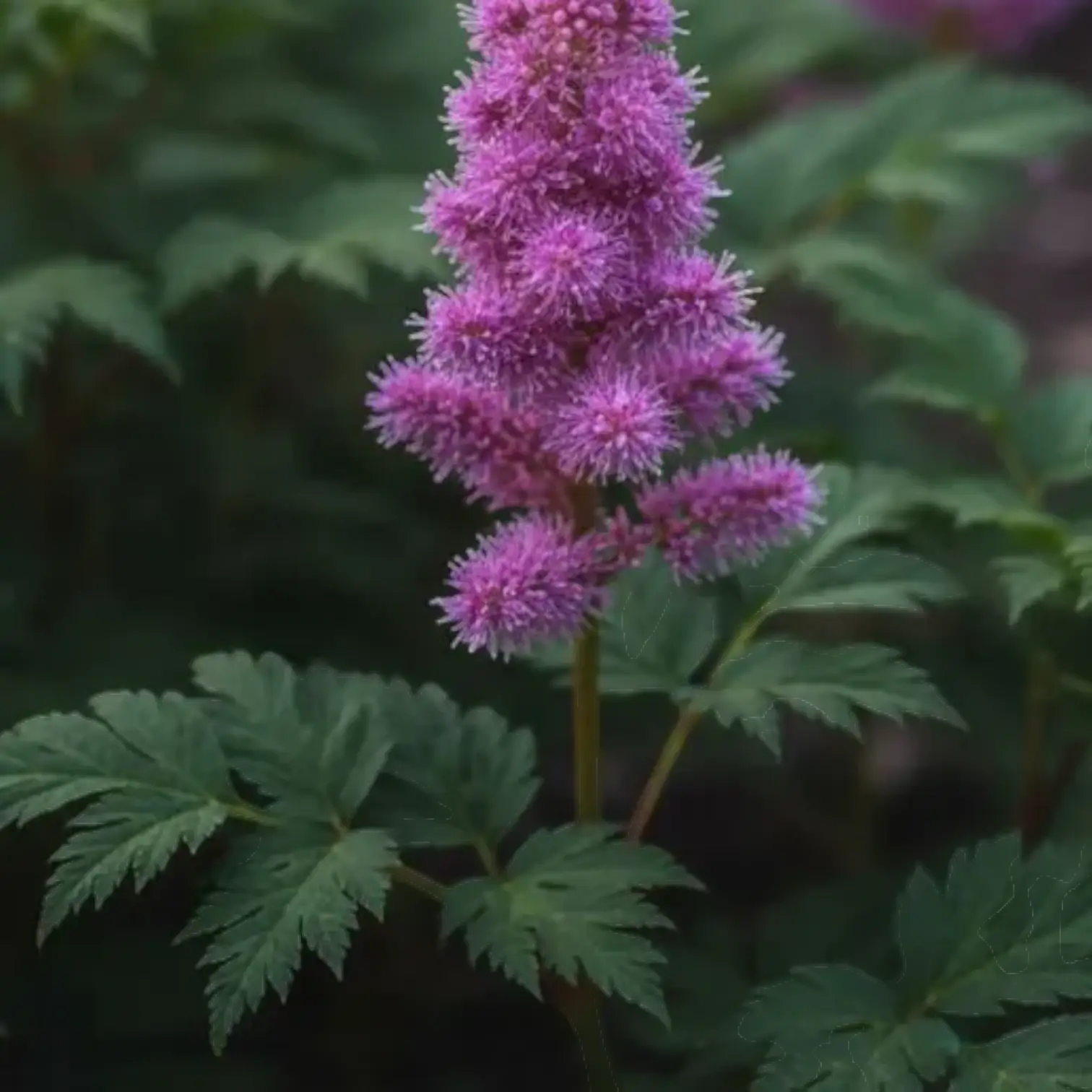
lavender astilbe plant Astilbe chinensis 'Pumila' | Outdoor PlantAstilbe chinensis var. pumila as a low edging perennial Astilbe chinensis var. pumila (often sold as Astilbe chinensis Pumila) is a dwarf Chinese astilbe with a spreading habit and dense, deeply cut leaves. It carries fluffy rosy mauve flower spikes later in summer, so it extends the plume season into the warm end of the year. The plant forms a low cushion that can gradually knit together, which makes it useful as a soft edging in consistently moist
Astilbe chinensis var. pumila as a low edging perennial
Astilbe chinensis var. pumila (often sold as Astilbe chinensis ‘Pumila’) is a dwarf Chinese astilbe with a spreading habit and dense, deeply cut leaves. It carries fluffy rosy-mauve flower spikes later in summer, so it extends the “plume season” into the warm end of the year. The plant forms a low cushion that can gradually knit together, which makes it useful as a soft edging in consistently moist parts of the garden.
Expect the foliage mound to sit around 20-30 cm tall, while the clump can expand to around 50 cm wide with time. In containers, growth is slower and the plant stays more compact than it does in open ground.
Flowering timing and foliage character
The foliage emerges in spring and quickly forms a dense, divided tuft. Flower spikes usually arrive in late summer, carrying airy, fluffy plumes in rosy-mauve tones. After flowering, the plant remains a tidy green mound until autumn, then dies back for winter. New shoots appear again from the crown in spring.
Native range and habitat clue
This dwarf form is associated with Tibet in its plant range, and it performs best in garden conditions that echo cool-rooted, moisture-rich sites. In practice, that means soil that stays evenly moist in summer and planting positions that shelter the root zone from drying winds.
Site and soil: moisture first
Clay or loam suits this astilbe well, especially when it is enriched with organic matter that holds moisture. The key is a root zone that stays evenly moist, with enough structure for oxygen around the roots. A mulch layer helps buffer summer heat and reduces surface drying, particularly in sunnier exposures.
- Soil improvement: compost mixed into the planting area supports steady growth.
- Mulch: apply an organic mulch in spring to stabilise moisture.
- Watering: support the plant through dry spells so foliage stays crisp and full.
Sun tolerance with steady moisture
This plant tolerates full sun when the soil never dries for long. Partial shade is more forgiving in warm summers, and bright shade keeps the clump fresh in heat. In all cases, the most reliable results come from steady moisture in the root zone.
Planting density and spreading habit
Plant in spring or early autumn. Set the crown at soil level and water thoroughly to settle the root zone. As the plant matures, it spreads by forming a wider clump. For a soft edging effect, plant with enough room for that widening habit and allow the clumps to meet gradually.
- Spacing: plan around 50 cm between plants for mature spread.
- Edging use: place along paths where the low foliage forms a clear line.
- Waterside planting: it is well suited to consistently moist margins.
Boggy sites and heavy soils
Astilbe chinensis var. pumila copes well with boggy situations and can sit in heavier ground that stays damp through summer. In these sites, keep the crown at the right level and top-dress with compost to build a humus layer. In very compacted soil, improving the planting zone with organic matter supports better root structure over time.
Feeding and seasonal care
In the border, a spring top-dressing of compost usually covers nutrition needs. In poorer soil, a balanced feed in spring supports stronger stems and fuller foliage. After flowering, remove stems for a tidy edge, or leave them briefly if you like the fading texture. Once the plant finishes for the year, cut back to the base; it returns from the crown in spring.
Division and renewal
Division refreshes the crown and keeps the clump vigorous, especially if it has thickened into a broad mat. Lift in late winter or early spring, split into strong sections with visible buds, and replant into refreshed soil. This is also a simple way to extend an edging line without starting from scratch.
Design notes and planting partners
Because it stays low, ‘Pumila’ works well as a transition between taller border plants and the path edge. The divided foliage has a fine texture that sits comfortably next to broad-leaved shade perennials and also alongside grasses or sedges in moist planting. For a calmer look, repeat several clumps in a staggered line; for a fuller groundcover effect, plant in small groups and let them meet over time.
Container culture
In pots, choose a container with enough volume to keep moisture stable. A moisture-holding mix with added structure supports healthy roots. Containers keep growth slower and a little smaller than in the border, which can be useful where space is limited. In winter, a sheltered corner and some insulation around the pot wall helps the root zone stay more even.
- Placement: full sun works when watering is regular; bright shade keeps pots cooler.
- Watering: consistent moisture matters while foliage and stems are building.
- Winter: the plant dies back; protect the pot from repeated freeze-thaw cycles.
- Spring start: clear away old growth early so new shoots rise cleanly.
Pests and diseases
This astilbe is generally straightforward when moisture is consistent. In containers, vine weevil can damage roots and weaken growth. Powdery mildew can appear during warm spells with still air; spacing, airflow, and steady moisture supports healthier leaves. Slugs and snails can nibble young shoots in spring, especially in damp planting areas.
Potential issues
Most setbacks relate to summer drying. When moisture drops too low, foliage can lose its clean edges and flowering reduces. A steadier watering rhythm and a mulch layer usually improves the next flush of growth.
Shipping Notes
- Free Standard Shipping on $100+ Orders to the USA.
- Except Preorder products are shipped in 48 hours.
- Delivery to the USA:
- Standard Shipping : 3-10 business days
- If time is of the essence, please consider selecting expedited delivery for faster service.
Exchange/Return Notes
- We offer a 30-day return/exchange service after receiving.
- Final sale items are not eligible for returns or exchanges.
- To process your return/exchange, please contact us at [email protected]
- Please click here for more details>>> Return & Exchange Policy