Pay in installments of $7.15 with
 ,
,
 and
and

Shipping Estimate
USA
- USA
- CAN
- USA
- CAN
Ships within 48 hours · Estimated delivery Aug 8 - Aug 13
 Promo Codes Available:
For Your Every Summer RSVP, with Code: SUMMER15
Description
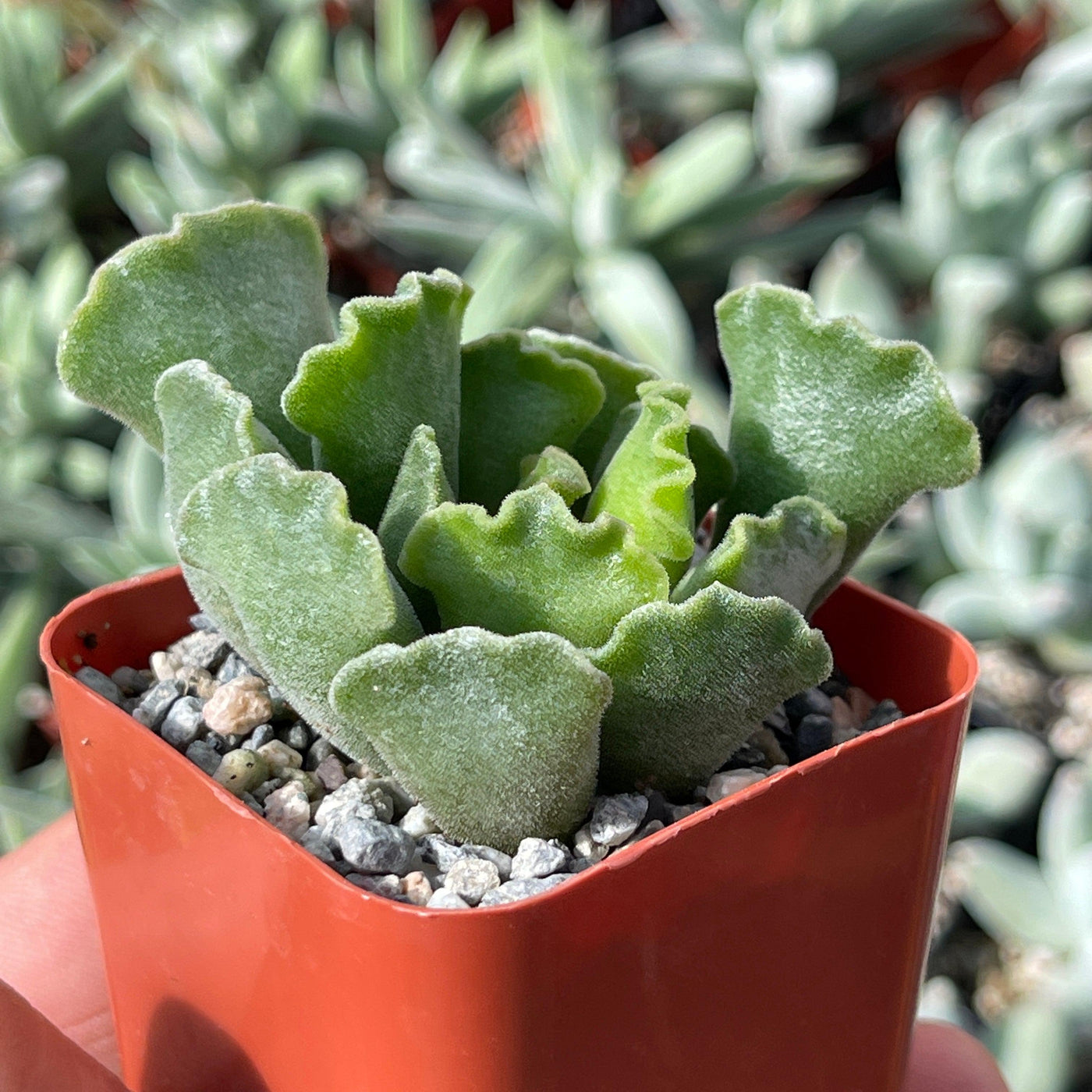
crinkle leaf plant elephant ear Crinkle Leaf Plant ‘Adromischus cristatus’ 2" PotIntroducing the Adromischus cristatus, known as the crinkle leaf plant, which is a unique and visually striking succulent. Native to South Africa, it is a stunning member of the Adromischus, opens in a new tab genus, and is also known as a key lime pie succulent or ravioli plant. This plant is beloved by succulent enthusiasts for its distinctive crinkled leaves and compact growth habit. The crinkle leaf plant gets its common name, key lime pie plant,
Introducing the Adromischus cristatus, known as the crinkle leaf plant, which is a unique and visually striking succulent. Native to South Africa, it is a stunning member of the Adromischus, opens in a new tab genus, and is also known as a key lime pie succulent or ravioli plant. This plant is beloved by succulent enthusiasts for its distinctive crinkled leaves and compact growth habit.
The crinkle leaf plant gets its common name, key lime pie plant, due to the resemblance of its leaves to the crinkled texture of a key lime pie. The leaves have unique ruffled edges that give them a crinkled appearance, similar to the crust of a pie.
The Adromischus cristatus plant features thick, fleshy leaves that are green in color and are covered in tiny hairs. The leaves grow in a rosette formation and have pointed tips.
This slow-growing plant has a compact growth habit, making it suitable for small spaces such as windowsills or tabletops.
When fully grown, the crinkle leaf plant has a tall stem that can grow up to 6 inches tall and 8 inches wide. It is relatively small and compact, making it an ideal choice for indoor gardening or small succulent arrangements.
The flowers of Adromischus cristatus are small and tubular and can vary in color from pale pink to white. The flowers emerge on tall, slender stalks that rise above the foliage. While the blooms are not the main attraction of this plant, they add a delicate touch to its overall appearance.
Propagation of the crinkle leaf plant can be done through stem or leaf cuttings. Simply take a healthy leaf or stem cuttings, then allow it to dry and callous for a few days. Then, plant it in well-drained soil and keep it lightly moist until the roots emerge. The plant can also produce offsets, which can be separated and planted individually to grow into new plants. Additionally, using a rooting hormone can help speed up the process of root development for quicker growth.
Watering Needs
To properly water your crinkle leaf plant, it's essential to follow a "soak and dry" method. This means thoroughly watering the plant until water drains out of the bottom of the pot and then allowing the soil to completely dry out before watering again. Overwatering can lead to root rot and other issues, so it's crucial to avoid keeping the soil consistently moist.
The frequency of watering can vary depending on factors such as the temperature, humidity, and the type of potting mix used. In the spring and summer, during the growing season, you can water your Adromischus cristatus every 7-10 days. However, always check the moisture level of the soil before watering to ensure it has dried out sufficiently.
During the dormant period in fall and winter, the crinkle leaf plant requires less frequent watering. Reduce the watering frequency to once every 2-3 weeks or when the soil has completely dried out. Remember, it's better to underwater than to overwater succulents, as they can withstand periods of drought better than excessive moisture.
Light Requirements
When grown indoors, the crinkle leaf plants prefer bright, indirect light for at least six hours. Find a spot near a window where it can receive a good amount of filtered sunlight. Avoid placing it in direct sunlight, which can scorch the leaves. If you notice the leaves stretching or leaning towards the light source, it's an indication that it needs more light. On the other hand, if the leaves start turning yellow or brown, they may be getting too much direct sunlight.
When growing outdoors, it's important to acclimate it gradually to prevent sunburn. Start by placing it in a partially shaded area and gradually increase the exposure to full sun over a few weeks. Outdoors, your Adromischus cristatus can tolerate more direct sunlight than when kept indoors. However, it's still essential to provide some shade during the hottest parts of the day, especially in regions with intense sunlight.
Remember, finding the right balance of light is key to the crinkle leaf plant's well-being. Whether indoors or outdoors, aim for bright, indirect light and make adjustments based on the plant's response. With proper lighting, your Adromischus cristatus will flourish and showcase its unique crinkled leaves for you to enjoy.
Optimal Soil & Fertilizer Needs
The Adromischus cristatus favors very airy, sandy soil that drains well. Planting them in ordinary soil will result in compacted roots, stunted growth, and most likely root rot. Instead, make or buy a well-draining potting mix, or ideally use our specialized potting mix, opens in a new tab that contains 5 natural substrates and mycorrhizae to promote the development of a strong root system that helps your succulent to thrive.
When it comes to fertilizing, Adromischus cristatus doesn't require heavy feeding. During the spring growing season, you can apply a balanced (5-10-5), water-soluble NPK liquid fertilizer diluted to half strength. This means using half the recommended dosage on the fertilizer packaging. Apply the diluted fertilizer once a year to provide a gentle nutrient boost.
During the dormant period in fall and winter, it's best to avoid fertilizing altogether. Succulents, including the crinkle leaf plant, naturally slow down their growth during this time, so they don't need as much nutrition. Over-fertilizing can lead to excessive growth and weak stems, so it's better to err on the side of caution and skip the fertilizer during the dormant season.
Hardiness Zones & More
When growing indoors, the crinkle leaf plant is well-suited to average warm temperatures between 65-75°F. It can tolerate slightly freezing temperatures down to 55°F but may suffer damage if exposed to frost or cold hardy temperatures. It's best to keep the plant away from drafts or extreme temperature fluctuations, such as near air conditioning vents or heaters.
For outdoor cultivation, it is generally hardy in USDA hardiness zones 9-11. This means it can tolerate mild to warm climates where the average minimum temperatures. If you live in a colder region, you can still enjoy this plant by keeping it indoors or in containers that can be brought indoors during winter.
The Adromischus cristatus is adaptable and can tolerate a range of humidity levels. It can thrive in typical indoor humidity, which is usually around 40-60%. If your home tends to be very dry, especially during winter months, you can increase humidity around the plant by placing a tray filled with water and pebbles nearby or using a humidifier.
Final Thoughts
Overall, the Adromischus cristatus (Crinkle leaf plant or key lime pie plant) is a fascinating succulent with its crinkled leaves and compact growth habit. Its unique appearance, resembling the texture of a key lime pie, adds to its charm. This plant is native to the Eastern Cape Province in South Africa and thrives in well-draining soil. It stays relatively small, making it perfect for indoor gardening or small spaces. Taking care of the crinkle leaf plant involves providing it with bright, indirect light, occasional watering, and well-draining soil. With a little love and attention, this stunning succulent will thrive in your home or garden.
Shipping Notes
- Free Standard Shipping on $100+ Orders to the USA.
- Except Preorder products are shipped in 48 hours.
- Delivery to the USA:
- Standard Shipping : 3-10 business days
- If time is of the essence, please consider selecting expedited delivery for faster service.
Exchange/Return Notes
- We offer a 30-day return/exchange service after receiving.
- Final sale items are not eligible for returns or exchanges.
- To process your return/exchange, please contact us at [email protected]
- Please click here for more details>>> Return & Exchange Policy