Pay in installments of $5.14 with
 ,
,
 and
and

Shipping Estimate
USA
- USA
- CAN
- USA
- CAN
Ships within 48 hours · Estimated delivery Aug 9 - Aug 14
 Promo Codes Available:
For Your Every Summer RSVP, with Code: SUMMER15
Description
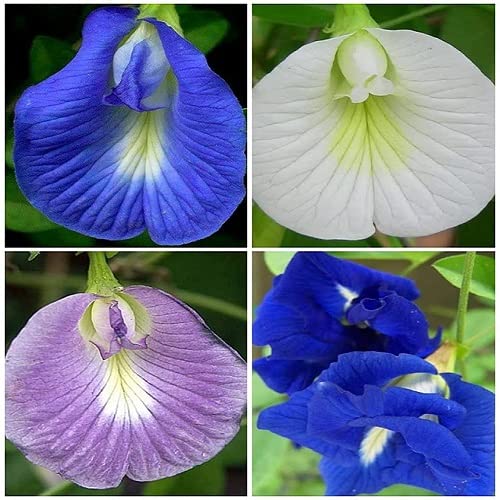
red aparajita flower seeds Aparajita Clitoria Ternatea Butterfly Pea Any Color Flower Hybrid SeedAparajita Clitoria Ternatea Butterfly Pea Any Color Flower Hybrid Seeds: The Perfect Addition to Your Indian Garden Qty: 10 Seeds Unlock the Magic of Aparajita in Your Home Garden Aparajita, also known as Butterfly Pea or Clitoria Ternatea, is a stunning flowering plant revered for its vibrant blue and white blooms. Highly valued in Indian households for its aesthetic appeal, medicinal properties, and cultural significance, Aparajita is easy to grow
Aparajita Clitoria Ternatea Butterfly Pea Any Color Flower Hybrid Seeds: The Perfect Addition to Your Indian Garden | Qty: 10 Seeds
Unlock the Magic of Aparajita in Your Home Garden
Aparajita, also known as Butterfly Pea or Clitoria Ternatea, is a stunning flowering plant revered for its vibrant blue and white blooms. Highly valued in Indian households for its aesthetic appeal, medicinal properties, and cultural significance, Aparajita is easy to grow and maintain, making it a favorite among gardening enthusiasts.
How to Germinate Aparajita Seeds: A Step-by-Step Guide
- Pre-Soaking Seeds: Soak the seeds in lukewarm water for 8-12 hours to soften the seed coat and enhance germination.
- Choose the Right Soil Mix: Use a well-draining potting mix rich in organic matter. A combination of garden soil, cocopeat, and compost in a 1:1:1 ratio works best.
-
Plant the Seeds:
- Sow seeds about 1–2 cm deep in the soil.
- Space them 10–12 inches apart for proper growth.
- Watering: Keep the soil moist but not waterlogged. Water lightly every other day.
- Ideal Conditions: Place the pot in a warm, semi-shaded area until the seeds germinate (7–14 days). Once sprouts appear, gradually introduce them to direct sunlight.
How to Grow and Plant Aparajita in India
Best Season to Plant
- Ideal Time: Late winter to early summer (February to April).
- Indian Climate Suitability: Thrives in tropical and subtropical climates.
Soil Requirements
Prefers well-draining, fertile soil with a slightly acidic to neutral pH (6.0–7.0).
Planting Location
Perfect for balconies, terraces, and backyards. Can grow in containers or directly in the garden. Use 8–10 inch deep pots for potted growth.
How to Care for Aparajita Plants
- Sunlight: Requires 4–6 hours of direct sunlight daily. Partial shade is beneficial during peak summer.
- Watering: Water moderately. Avoid overwatering as it can cause root rot.
- Fertilization: Feed the plant with organic compost or liquid fertilizer every 4–6 weeks.
- Pruning: Regularly prune dead leaves and stems to promote healthy growth and blooming.
Plants That Complement Aparajita
- Marigold: Bright yellow-orange flowers create a striking contrast with Aparajita’s blue blooms.
- Jasmine: Adds a fragrant element and pairs beautifully in mixed flower beds.
- Hibiscus: Their large blooms enhance the visual appeal of Aparajita plants.
- Mogra: Ideal for smaller gardens, its white flowers complement Aparajita’s vibrant hues.
- Lavender: Provides a calming aroma and thrives in similar soil conditions as Aparajita.
FAQs
What is the best season to plant Aparajita seeds in India?
The best season to plant Aparajita seeds is late winter to early summer, from February to April.
Can Aparajita be grown in pots?
Yes, Aparajita can be grown in pots. Use a container at least 8–10 inches deep with well-draining soil.
How often should I water Aparajita plants?
Water moderately, keeping the soil moist but not waterlogged. Avoid overwatering to prevent root rot.
Does Aparajita need full sunlight?
Aparajita requires 4–6 hours of direct sunlight daily. Partial shade is beneficial during intense summer heat.
What fertilizer should I use for Aparajita?
Use organic compost or a liquid fertilizer every 4–6 weeks to promote healthy growth and blooming.
Order Now – Limited Stock Available!
Don’t miss the chance to grow this stunning flowering plant in your garden. Bring home Aparajita seeds today and transform your space into a blooming paradise!
Shipping Notes
- Free Standard Shipping on $100+ Orders to the USA.
- Except Preorder products are shipped in 48 hours.
- Delivery to the USA:
- Standard Shipping : 3-10 business days
- If time is of the essence, please consider selecting expedited delivery for faster service.
Exchange/Return Notes
- We offer a 30-day return/exchange service after receiving.
- Final sale items are not eligible for returns or exchanges.
- To process your return/exchange, please contact us at [email protected]
- Please click here for more details>>> Return & Exchange Policy