Pay in installments of $5.95 with
 ,
,
 and
and

Shipping Estimate
USA
- USA
- CAN
- USA
- CAN
Ships within 48 hours · Estimated delivery Aug 8 - Aug 13
 Promo Codes Available:
For Your Every Summer RSVP, with Code: SUMMER15
Description
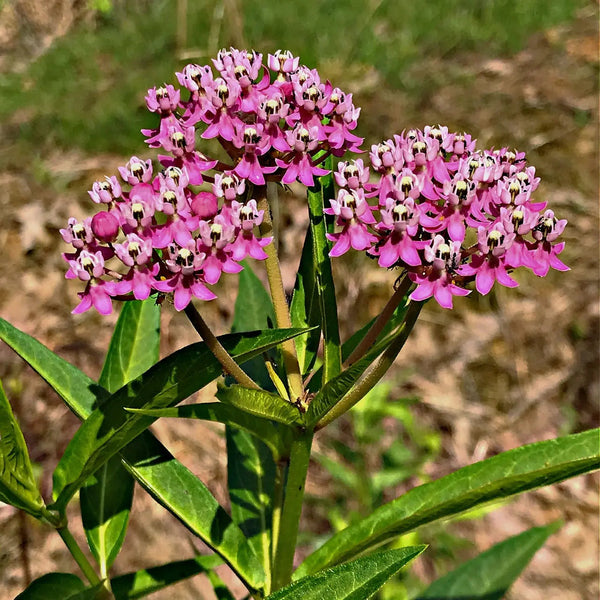
potted milkweed plants for sale Milkweed PlantBuy Milkweed Plants Asclepias Online Wholesale Milkweed plants can grow to be 4 feet tall on a thin stem and produce green leaves that may reach 8 inches. It is most fragrant from late June until August. Due to its root structure, which grows beneath the surface so new pods can reach the top, one will spend more time containing the flower. When stems and leaves are cut, white sap oozes out. Flowers are commonly pink and purple, but can vary by
Buy Milkweed Plants Asclepias Online Wholesale
Milkweed plants can grow to be 4 feet tall on a thin stem and produce green leaves that may reach 8 inches. It is most fragrant from late June until August. Due to its root structure, which grows beneath the surface so new pods can reach the top, one will spend more time containing the flower.
When stems and leaves are cut, white sap oozes out. Flowers are commonly pink and purple, but can vary by species.
Plant them 18 inches apart to avoid overcrowding and look for unwanted weeds to pull. Removing seed pods will also slow their spread. Watering and fertilizing are not necessary. Only water if drought conditions are present. They prefer full sunlight and dry soil. They can even survive in damaged soil.
Milkweed Plants Are Vital For Monarchs
They are a significant food source for Monarch butterflies and other species and host all stages of the monarch's life cycle. It entices people to grow butterfly gardens at home. Caterpillars will cover the flower to use the leaves and then hang their chrysalises, mature, and hatch.
A close observer may see tiny caterpillars hatch from small eggs stuck to the Flowers's stem. To make a butterfly garden, put at least six in a small patch with a nearby water source for the butterflies. The water can be in anything from a bowl to a birdbath. Refrain from using pesticides to avoid killing the butterflies.
Each region in North America has a native species that grows best, yet all will thrive in each environment.
It Is A Easy To Grow Perennial
This easy-to-grow perennial is ideal for many butterfly gardens. Its size, flowering time, sturdiness, and natural attraction to butterflies appeal to gardeners and butterfly watchers.
Milkweed is typically found in Zones 3 to 9. It enjoys full sun but can tolerate shade here and there. It usually appears in bunches of strong green stems that can grow up to 5 feet tall but typically 2 to 4 feet.
Thanks to the sturdy nature of these stems, there is no need to prop them up; they will stand on their own. The leaves are various shades of green, thick and robust. They grow to about 6 to 8 inches long and 2 to 4 inches wide. It is ideal for planting to place these about 18 inches apart.
The Plant Requires No Fertilizer
This perennial requires no fertilizers and does well in less-than-perfect soil. Flower pods grow from the top of the type and are usually found in small groups, producing many flowers at once.
The flowers grow to about .75 inches and .4 inches wide. They are generally light to dark pink and have a sweet scent. Seed pods also grow on it.
They are about 4 inches long and shaped like a sphere, with little nubs growing. The pods start green and, as they mature, will turn brown. At this stage, it can be used for flower arrangements.
Once they dry completely, they will split open. Finally, it is an ideal and vital type for Monarch Butterflies. Not only do they eat leaves, but they also form their chrysalis, mature, and hatch on the same leaf.
This perennial is standard across the United States. Its distinctively shaped and colored flowers are highlighted by dark green leaves on tall, stiff stems. The Asclepias family's orange, pink, white, or yellow flowers are a sight. The tall stems mix well with other tall garden flowers.
Their solid colors and decorative flowers make great ornamental cut flowers. The sap of this perennial is white and sticky.
Milkweed attracts native bees, honeybees, and several species of butterflies and hummingbirds. Colorful Monarch butterfly larvae feed on the leaves, each developing into a beautiful chrysalis. Watch them hatch into delicate monarch butterflies.
It Has Milky Sap When Broken
Milkweed plants can spread to the ground by rhizomes, which can quickly crowd out others. When one breaks the stem, it will let out a milky-like sap. This perennial would make a lovely addition to any landscape. The seeds will spread by the wind, catching and carrying them off.
Where To Buy Milkweed Plants
For those who wonder where to buy milkweed plants, many nurseries and online shops now offer native varieties. At TN Nursery, milkweed plants for sale are healthy and shipped ready to thrive in your garden. Buying from trusted growers ensures your plants are pesticide-free and safe for monarch caterpillars.
How To Plant Milkweed Seeds,
When planting from seed, timing is important. The best time to plant milkweed seeds outdoors is in the fall, so the cold winter naturally stratifies them. In spring, you can start them indoors at a steady 65–70°F for best germination. Plant seeds in sunny, open ground and keep the soil lightly moist until seedlings appear.
Transplanting and Containers
Transplanting milkweed plants is best in early spring or fall when temperatures are mild. While often grown in open landscapes, potted milkweed can also be planted directly into the ground as long as the roots are loosened.
Safety and Caution
Milkweed contains a white milky sap that is sticky and toxic if ingested. This is why it is not edible and should not be consumed by people or pets. However, the same sap makes the plant naturally resistant to many pests.
Deer Resistance and Wildlife Benefits
Gardeners often ask if milkweed is deer-resistant. In most cases, yes, deer avoid its bitter leaves. While it deters grazing animals, milkweed draws pollinators of all kinds, making it a cornerstone for butterfly gardens.
It attracts butterflies to your area, and the monarch usually lays their eggs on it. Once the caterpillars emerge, they will feed on the leaves, eliminating the need for fertilization since they grow in the soil's poorest conditions.
To prevent the seed from spreading, remove the pods before they open, as this will prevent seeds from growing everywhere.
Helpful Links about Milkweed Plants (Asclepias Tuberosa)
- Milkweed: A Lifeline for Monarch Butterflies and Beyond
- Exploring Exotic Native Perennials of the United States
Frequently Asked Questions
What is a milkweed plant?
Milkweed is a hardy perennial from the Asclepias family. It produces tall stems, green lance-shaped leaves, fragrant pink to orange flowers, and seed pods that open and spread by wind.
Where can I buy milkweed plants?
You can find milkweed plants for sale at many local nurseries and through trusted online shops like TN Nursery. Buying from a pesticide-free source ensures the plants are safe for monarch caterpillars.
When should I plant milkweed seeds?
The best time to plant milkweed seeds outdoors is fall so winter stratification helps them sprout in spring. Seeds can also be started indoors in spring at 65–70°F.
How do you plant milkweed seeds?
Plant seeds in open, sunny spots with well-drained soil. Cover lightly with soil, keep moist, and thin seedlings so plants stand 18 inches apart.
Can I grow milkweed in containers?
Yes. Potted milkweed can be planted in larger outdoor pots or directly into the ground. Just make sure the container drains well.
Is milkweed edible?
No. Milkweed plants are not edible. Their milky sap is toxic to people and pets if consumed.
Is milkweed deer resistant?
Yes. Deer generally avoid milkweed because of its bitter leaves and sticky sap.
Does milkweed need fertilizer?
No. Milkweed thrives in poor soils and requires no fertilizer. Only water during drought conditions.
How tall does milkweed grow?
Depending on the species, milkweed grows from 2 to 5 feet tall.
Why is milkweed important for monarchs?
Milkweed is the only host plant for monarch caterpillars. It provides food, shelter, and a place for butterflies to lay eggs, making it essential for their survival.
You wouldn't believe the history attached to Milkweed. It goes back to ancient times! It's deep in Greek mythology, linked to the Greek god Asclepius, who was the god of medicine and the father of medicine. He was the son of Apollo. The rod of Asclepius is still a symbol of medicine! This connection to the art of healing and art of medicine meant it was used near healing temple sites and the famous temples of Asclepius on the island of Kos. Even the Hippocratic oath has ties to that era. Remember the cult of Asclepius? And the centaur Chiron? The plant even connects to the myth about his sister Artemis, who was killed. People used it historically for burns after a funeral pyre. You might find all these details in a table of contents! The Milkweed plant has such a bizarre, deep ancient Greek legacy.
Shipping Notes
- Free Standard Shipping on $100+ Orders to the USA.
- Except Preorder products are shipped in 48 hours.
- Delivery to the USA:
- Standard Shipping : 3-10 business days
- If time is of the essence, please consider selecting expedited delivery for faster service.
Exchange/Return Notes
- We offer a 30-day return/exchange service after receiving.
- Final sale items are not eligible for returns or exchanges.
- To process your return/exchange, please contact us at [email protected]
- Please click here for more details>>> Return & Exchange Policy