Shipping Estimate
USA
- USA
- CAN
- USA
- CAN
Ships within 48 hours · Estimated delivery Jul 13 - Jul 18
 Promo Codes Available:
For Your Every Summer RSVP, with Code: SUMMER15
Description
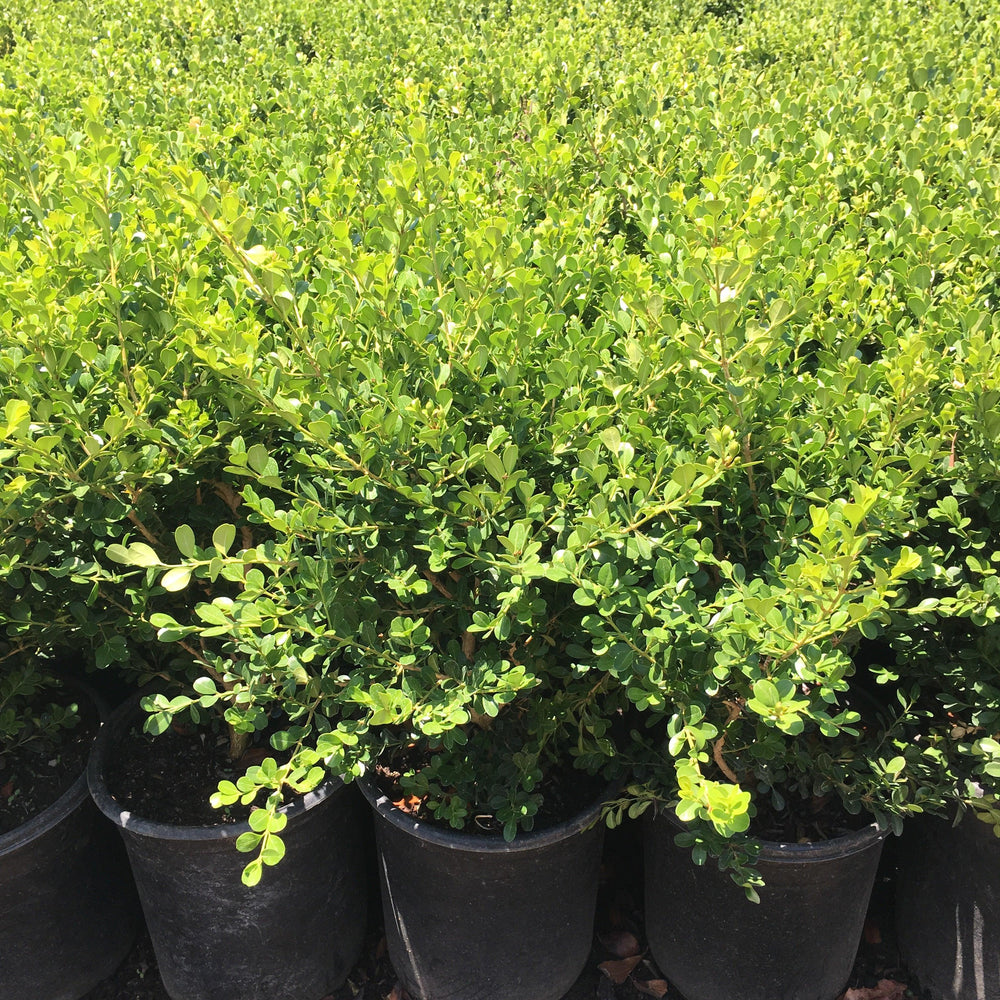
boxwood house plant BoxwoodYear Round Structure and Privacy Without the Maintenance Hassle Boxwoods are foundational evergreen shrubs used for their dense foliage and shaping versatility, delivering beautiful hedges that hold their form and color through every season. Unlike fast growing alternatives like privet or Leyland cypress that demand trimming every few weeks during peak growth, boxwood shrubs need only one to two light prunings per year once established. They provide
Year-Round Structure and Privacy Without the Maintenance Hassle
Boxwoods are foundational evergreen shrubs used for their dense foliage and shaping versatility, delivering beautiful hedges that hold their form and color through every season. Unlike fast-growing alternatives like privet or Leyland cypress that demand trimming every few weeks during peak growth, boxwood shrubs need only one to two light prunings per year once established. They provide year-round structure and elegance to landscapes, solving the common frustration of bare winter hedges or constant weekend yard work. If you want reliable, dense green foliage that screens your property without the upkeep, boxwood delivers.
Why You'll Love Boxwood
-
Evergreen Privacy – Boxwoods retain their lush, deep-green foliage through all four seasons. Their dense growth habit means even the interior foliage stays thick, creating continuous screening when you space plants 2–3 feet apart. No seasonal leaf drop, no gaps - just year round structure you can count on.
-
Low Maintenance – Boxwoods grow slowly and require minimal maintenance once established. Most boxwood varieties grow 3–6 inches annually, so hedges hold their desired shape far longer between trims. After the first 12–18 months of regular watering, established plants need only supplemental irrigation during drought and a light prune or two each year.
-
Versatile Design – Boxwoods can serve as formal sheared hedges or informal borders, foundation plantings and privacy screens, container accents, or sculpted topiary forms. Globe Japanese boxwood is especially well-suited to tight, rounded hedges and foundation plantings. Their small dark green leaves enable exceptionally clean lines in formal gardens and formal plantings, while looser forms work beautifully in mixed borders alongside perennials and other plants.
-
California Climate Perfect – Boxwoods thrive best in partial to dappled shade, making them well-suited to California's Mediterranean climate. Most boxwoods are rated for USDA zones 5–9, covering coastal, inland valley, and foothill regions throughout the state. For taller structure in similar conditions, the Brisbane Box treeoffers an attractive evergreen canopy. Japanese boxwood and littleleaf boxwood varieties tend to perform especially well in hotter inland conditions.
-
Long-Term Investment – Under optimal conditions, boxwood can live 20–30 years in residential landscapes, with some specimens surviving over 40 years. This slow, steady growth means less frequent replacement, and well-established hedges increase property value while providing cooling shade and reducing soil moisture loss. Pairing them with evergreen privacy trees can create multi-layered structure that matures gracefully over decades.
What Makes Boxwood Different
Most hedging plants force you into a tradeoff: either they grow too fast and demand constant pruning, or they drop their leaves seasonally and leave your property exposed all winter. Boxwood eliminates that compromise entirely with:
-
Dense, Fine-Textured Foliage – Boxwood leaves measure just ½ to 1 inch, especially in littleleaf boxwood types like buxus microphylla var. This fine texture creates superior formal appearance compared to coarser-leafed alternatives like privet or holly. For crisp, modern layouts, a Green Gem boxwood cube provides sharp, architectural hedges and garden rooms with remarkably clean edges.
-
Controllable Growth Rate – With a slow growth rate averaging 3–6 inches per year for most garden varieties - and dwarf boxwoods growing just 0.5–1 inch per year - shapes last far longer between trims. Fast-growing boxwoods may require pruning once or twice yearly at most, compared to the weekly attention that vigorous hedging species demand.
-
Four-Season Performance – Unlike deciduous alternatives, boxwoods hold their foliage through winter wind, summer heat, and everything between. Some varieties may show slight bronzing in exposed conditions, but new growth flushes back rich green in early spring. This consistent presence makes them the backbone of landscapes that need to look polished year round.
How to Succeed with Boxwood
-
Choose the Right Location Boxwoods prefer partial shade with 4–6 hours of sunlight - ideally morning sun with protection from harsh afternoon direct sunlight, especially in California. Most boxwood species appreciate protection from harsh afternoon sun to prevent winter injury and leaf scorch. Ensure good air circulation around plantings; avoid crowding them against walls or dense shrubs, as restricted airflow increases the risk of fungal disease.
-
Plant Properly Boxwoods prefer to be planted in early fall or early spring. Space boxwoods 2–3 feet apart for optimal growth when creating hedges, or about half their mature width for effective hedging. Boxwoods thrive in well-drained, slightly acidic soil with pH 6.5–7. If you have heavy clay, amend with compost and coarse grit to ensure good drainage. Position the top of the root ball slightly above the surrounding ground level - boxwoods have a shallow root system and must never sit in standing water. When planning a full hedge or mixed screen, browsing a nursery selection of privacy trees can help you combine boxwoods with taller evergreens. Proper care of boxwoods includes sheltered locations, appropriate spacing, and careful pruning.
-
Establish Care Routine Water boxwoods weekly if rainfall is less than one inch, with deep, infrequent soaking that encourages roots to reach down. Mulch boxwoods with 2–3 inches of organic material yearly to retain moisture and moderate soil temperature, keeping mulch away from the main trunk to prevent pests. Boxwoods require a gap between mulch and the main trunk to prevent pests. Prune boxwoods in late winter or early spring for best results, with a secondary light shaping in summer. Boxwoods benefit from balanced, slow-release fertilizer in early spring and late fall, and a full-service plant nursery and landscaping partner can help tailor care to your specific site.
Boxwood Specifications
Popular Varieties:
-
Green Velvet Boxwood (Buxus 'Green Velvet') – Height: 3–4 ft, Width: 3–4 ft. Slow growth rate. Excellent for low hedge and cold hardy applications.
-
Winter Gem Boxwood (Buxus 'Winter Gem') – A hardy, cold-tolerant shrub that keeps rich green foliage through severe winters, making it ideal for four-season hedges in challenging climates.
-
Dee Runk – Columnar improved form. Height: 7–9 ft, narrow mature width. Medium growth rate. Excellent for vertical accents and tight spaces.
-
Green Mountain – Pyramidal to upright-rounded form. Height: 4–5 ft. Slow growth rate. Cold hardy and well-suited to formal hedges.
-
Sprinter (NewGen) – Height: 2–4 ft. Bred for improved boxwood blight tolerance and better winter color retention.
Mature Size Range:
-
Dwarf littleleaf types: 1–2 ft tall and wide
-
Medium hedging varieties: 3–5 ft tall and wide
-
Large types (e.g., buxus sempervirens / american boxwood): up to 6–10 ft if unpruned
Growth Rate:
-
Dwarf boxwoods grow 0.5–1 inch per year
-
Most boxwood varieties grow 3–6 inches annually
-
Japanese boxwood grows less than 12 inches per year
-
The four primary types of boxwoods vary in size, shape, and cold tolerance
Hardiness:
-
USDA Zones 5–9 for most buxus species; some cultivars tolerate Zone 4 with protection
-
Boxwoods grow well in USDA hardiness zones that vary by species
-
California-suitable zones: 8–10 for most regions; select heat-tolerant cultivars for inland valleys
Soil Requirements:
-
Ideal soil pH for boxwoods is 6.5–7.5
-
Boxwoods thrive in well-drained soil to prevent root rot - they are highly susceptible to root rot and dislike standing water
-
Adapts to loams, sandy loams, and clay loams with good drainage
-
Amend with organic matter to improve soil texture and moisture retention
-
Compatible with multiple soil types when drainage needs are met
Perfect for These California Gardeners
Ideal for:
-
Homeowners creating formal landscape structure - those wanting neat hedges, privacy walls, or elegant garden rooms that stay green year round around patios, property lines, and entrances
-
Property owners seeking low-maintenance foundation plantings - boxwoods excel as natural foundation backdrops for colorful annuals, softening corners and framing windows without bare winter legs
-
Garden enthusiasts wanting evergreen backbone - in mixed borders, boxwood provides shape, order, and contrast alongside drought-tolerant perennials and other species, and can be paired with other structural plants like California Pepper trees and complementary shrubs for multi-layered design
-
Eco-conscious California gardeners - those who prefer durable shrubs that minimize water usage, reduce replacements, and eliminate constant feeding or trimming, often combining boxwoods with resilient options like Pittosporum and other cheesewood varieties for low-input planting schemes
Boxwoods can be shaped into topiaries and bonsai, can grow in partial shade and well-drained soil, and deliver the reliable structure that California's climate and lifestyle demand. Boxwoods are resistant to deer and rabbits, making them ideal for gardens prone to wildlife damage - a significant advantage across many California properties. Their deer resistance means you can count on your investment staying intact season after season.
Frequently Asked Questions
How fast does boxwood grow? Most boxwood varieties grow 3–6 inches annually under good conditions. Dwarf boxwoods grow 0.5–1 inch per year, while Japanese boxwood grows less than 12 inches per year. Expect 5–10 years to reach a full 3–4 ft hedge height, depending on cultivar and site conditions. Patience pays off - slow growth means your hedges hold their desired shape far longer.
Does boxwood need full sun in California? Boxwoods prefer 4–6 hours of direct sunlight daily. In California, the best exposure is morning sun with partial or dappled shade in the afternoon. Full sun is tolerable, but harsh southwest afternoon exposure often causes leaf scorch. Full shade tends to produce thin, open habit growth. Select sun-tolerant cultivars like japanese boxwood for hotter inland locations.
When should I prune my boxwood? Prune boxwoods in late winter or early spring for best results, after the last frost risk has passed. A secondary light trim in mid-summer helps maintain shape. Avoid heavy pruning in late fall or late summer, as tender new growth may suffer cold damage or desiccation from winter wind.
Are boxwood shrubs deer resistant? Yes. Boxwood foliage is naturally bitter and mildly toxic, giving them strong deer resistance. While no plant is completely deer-proof, boxwoods are among the most reliable shrubs in landscapes with moderate to heavy wildlife pressure. Boxwoods are resistant to deer and rabbits, making them ideal for gardens prone to wildlife damage.
How far apart should I plant boxwood for a hedge? Space boxwoods 2–3 feet apart for optimal growth in standard hedges. Boxwoods need to be spaced about half their mature width for effective hedging. Dwarf varieties can be placed 12–18 inches apart for a low hedge. Allow enough room for air circulation between plants to reduce disease risk as they mature.
What's the difference between boxwood varieties? The four primary types of boxwoods vary in size, shape, and cold tolerance. Buxus sempervirens (english boxwood / american boxwood) is the classic choice for formal gardens with larger leaves. Buxus microphylla (littleleaf boxwood / japanese boxwood) offers finer foliage and better heat tolerance. Korean boxwood (Buxus sinica) brings improved cold hardiness. Modern hybrids like the NewGen series ('Sprinter') are bred for boxwood blight resistance and improved form. Key differences include growth rate, mature size, winter bronzing tendencies, and susceptibility to pests like boxwood mites, boxwood psyllid, and boxwood leafminers.
What pests and diseases should I watch for? Boxwood blight is a serious fungal disease that causes rapid defoliation and black stem lesions - it was discovered in South Carolina in 2016 and boxwood dieback has increased in southern states since 2023. Select blight-resistant cultivars and buy disease-free nursery stock. Boxwood leafminers can cause cosmetic damage to boxwoods, while boxwood plants are susceptible to nematodes and boxwood mites. Yellow leaves on boxwoods may indicate root rot or nematode pests. Box tree moth is an emerging concern as well. Ensure well drained soils, maintain air circulation, and sanitize pruning tools between plants to minimize risk.
Ready to Create Your Perfect Landscape?
Boxwood delivers the reliable, elegant structure your California landscape deserves - and it only gets better with time. Whether you're building formal hedges, anchoring foundation plantings, or adding a larger plant as a statement piece, our team helps you select the right boxwood varieties for your specific location and vision.
Shipping Notes
- Free Standard Shipping on $100+ Orders to the USA.
- Except Preorder products are shipped in 48 hours.
- Delivery to the USA:
- Standard Shipping : 3-10 business days
- If time is of the essence, please consider selecting expedited delivery for faster service.
Exchange/Return Notes
- We offer a 30-day return/exchange service after receiving.
- Final sale items are not eligible for returns or exchanges.
- To process your return/exchange, please contact us at [email protected]
- Please click here for more details>>> Return & Exchange Policy