Pay in installments of $5.86 with
 ,
,
 and
and

Shipping Estimate
USA
- USA
- CAN
- USA
- CAN
Ships within 48 hours · Estimated delivery Aug 5 - Aug 10
 Promo Codes Available:
For Your Every Summer RSVP, with Code: SUMMER15
Description
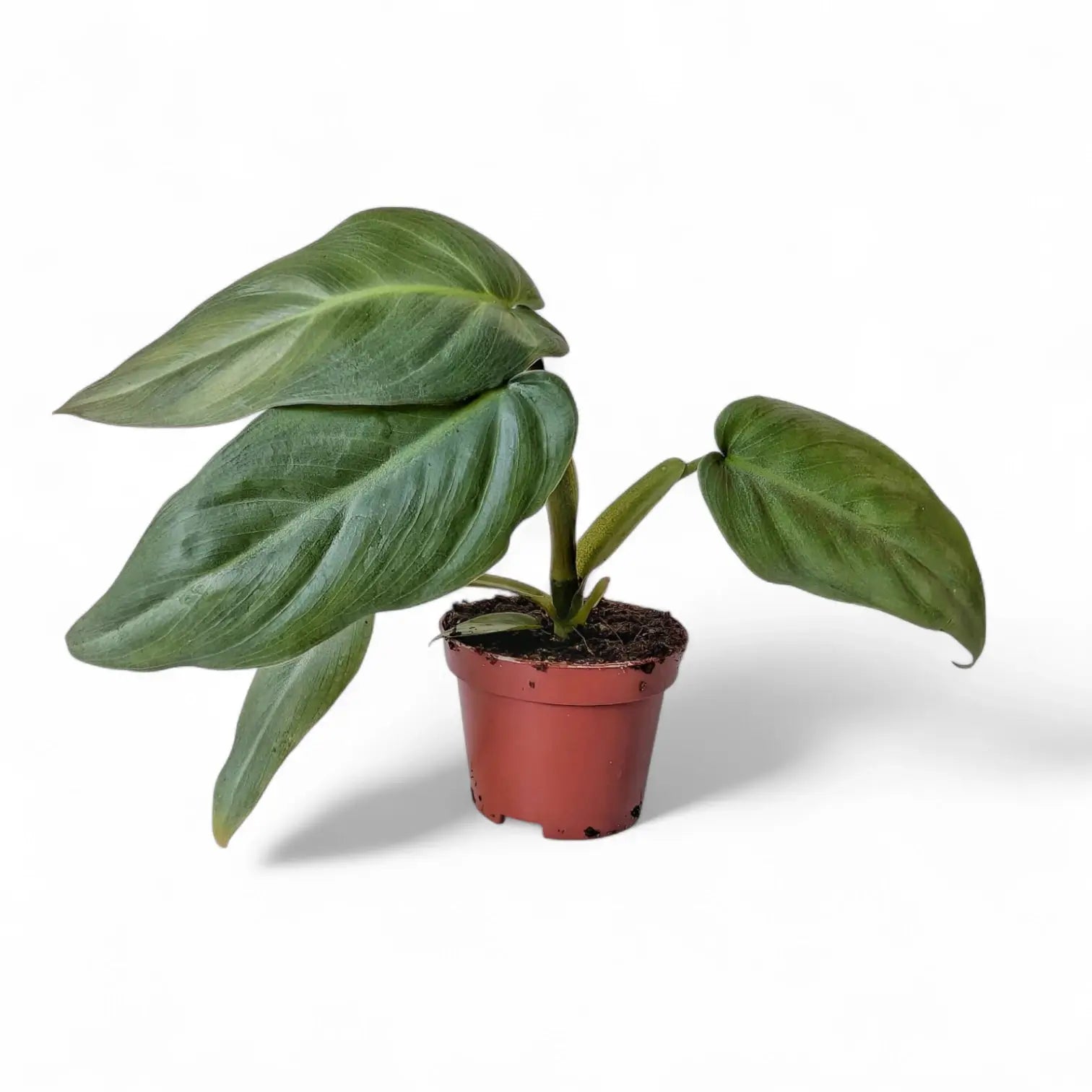
philodendron height and spread Philodendron maximum – Foliage FactoryPhilodendron maximum Philodendron maximum is an Araceae species from tropical South America, grown for broad green foliage and adult leaves with a semi glossy surface. Mature blades can develop a narrowly ovate, sagittate or triangular sagittate outline, giving older plants a strong vertical presence on support. The climbing stem needs a stable vertical surface, while the expanding blades need open space around the plant. Bright filtered light,
Philodendron maximum
Philodendron maximum is an Araceae species from tropical South America, grown for broad green foliage and adult leaves with a semi-glossy surface. Mature blades can develop a narrowly ovate, sagittate or triangular-sagittate outline, giving older plants a strong vertical presence on support.
The climbing stem needs a stable vertical surface, while the expanding blades need open space around the plant. Bright filtered light, warmth, steady moisture and a chunky substrate help the roots stay aerated as the plant gains size.
Broad adult leaves and climbing growth in Philodendron maximum
- Family: Araceae, the aroid family.
- Foliage: Large green leaves with a semi-glossy surface.
- Leaf shape: Adult blades can be narrowly ovate, sagittate or triangular-sagittate.
- Petioles: Sturdy petioles hold the blades away from the climbing stem.
- Growth habit: A climbing Philodendron that needs vertical room as it matures.
- Indoor development: Leaf size increases gradually on support when warmth, light and root health stay steady.
- Growth rate: Moderate to strong in warm, bright, humid conditions, slower in cooler or darker periods.
- Safety: Toxic if chewed or swallowed by pets or children.
Indoor growth for Philodendron maximum
Philodendron maximum develops from an elongating stem with aerial-root nodes. A pole, plank or similar support gives the stem contact points, while an airy, evenly moist substrate keeps oxygen around the thicker roots.
The species is associated with wet tropical forest in South America, with records from Colombia, Ecuador, Peru, Brazil and Bolivia. Indoors, the same growth pattern needs warm temperatures, filtered light and enough space for each new blade to open without rubbing against a wall, shelf or neighbouring plant.
Care for Philodendron maximum foliage
- Light: Place Philodendron maximum in bright filtered light. Harsh direct sun can mark large leaves.
- Water: Water after part of the mix has dried. A large pot that stays wet for too long can stress the roots.
- Humidity: Moderate to higher humidity helps new leaves expand cleanly.
- Temperature: Keep warm and protected from cold windows, cold floors and draughts.
- Substrate: Use a chunky aroid mix with enough structure to stay open around thick roots.
- Support: Give the climbing stem a sturdy pole, plank or similar vertical surface before the plant becomes heavy.
- Repotting: Repot when roots fill the pot, the mix has compacted or the support no longer suits the stem height.
- Fertilising: Feed lightly during active growth; reduce feeding when light levels and growth slow.
- Propagation: Propagate from stem cuttings with at least one node, kept warm and humid while rooting.
- Pruning: Remove damaged leaves at the petiole base or shorten an overlong stem above a healthy node.
- Semi-hydroponics: Semi-hydro can work when roots are adapted gradually and the reservoir stays clean and oxygenated.
Philodendron maximum leaf tearing, yellowing and slow growth
- Yellow lower leaves: Check for wet roots, old compacted mix or a pot that dries too slowly.
- Damaged new leaves: Expanding blades can tear if humidity drops or the leaf rubs against nearby surfaces.
- Slow growth: Cold conditions, weak light or root stress can interrupt leaf expansion.
- Pests: Inspect leaf backs, petioles and new growth for thrips, spider mites, mealybugs and scale.
Philodendron maximum toxicity
Philodendron maximum has insoluble calcium oxalate crystals in its leaves, petioles and stems, so it should be kept away from pets and children that may chew plants.
Botanical background of Philodendron maximum
Philodendron was described by Heinrich Wilhelm Schott in 1829 in Wiener Zeitschrift für Kunst, Litteratur, Theater und Mode, and the genus name comes from Greek roots meaning tree-loving. Philodendron maximum was described by K. Krause and published in Das Pflanzenreich in 1913. The species epithet maximum is the neuter form of Latin maximus, meaning largest or greatest.
A large-growing climbing Philodendron with broad semi-glossy leaves, sturdy petioles and a strong mature form on support.
Shipping Notes
- Free Standard Shipping on $100+ Orders to the USA.
- Except Preorder products are shipped in 48 hours.
- Delivery to the USA:
- Standard Shipping : 3-10 business days
- If time is of the essence, please consider selecting expedited delivery for faster service.
Exchange/Return Notes
- We offer a 30-day return/exchange service after receiving.
- Final sale items are not eligible for returns or exchanges.
- To process your return/exchange, please contact us at [email protected]
- Please click here for more details>>> Return & Exchange Policy