Pay in installments of $5.85 with
 ,
,
 and
and

Shipping Estimate
USA
- USA
- CAN
- USA
- CAN
Ships within 48 hours · Estimated delivery Aug 7 - Aug 12
 Promo Codes Available:
For Your Every Summer RSVP, with Code: SUMMER15
Description
blue chalk succulent care Shop 'Blue Chalk Sticks - Senecio mandraliscae' Care and InfoIf you're looking for a popular trailing plant that creates great groundcover, then look no further than Blue Chalk Sticks or Blue Chalk Fingers, also known as Senecio mandraliscae, a stunning variety of Curio talinoides var. mandraliscae! This unique spreading blue chalkstick produces pencil like, blue green fleshy leaves that form a dense mat and is of great ornamental appeal as one of the most popular and trendy groundcovers. Native to South
If you're looking for a popular trailing plant that creates great groundcover, then look no further than Blue Chalk Sticks or Blue Chalk Fingers, also known as Senecio mandraliscae, a stunning variety of Curio talinoides var. mandraliscae!
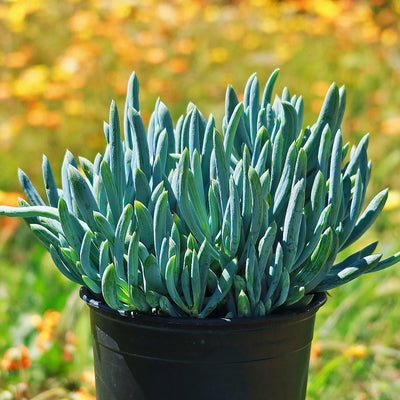
This unique spreading blue chalkstick produces pencil-like, blue-green fleshy leaves that form a dense mat and is of great ornamental appeal as one of the most popular and trendy groundcovers.
Native to South Africa, these low-growing blue chalk sticks with thick, 4-inch-long silvery-green leaves give the succulent plant the appearance of a mass of fingers or chalk sticks reaching up to the sky.
The blechalk stick is a great groundcover and adds a nice color accent to make other plants stand out in a garden or landscape.
Additionally, the blue chalk stick's low-growing and spreading nature helps suppress weed growth, making it an excellent choice for areas that require minimal maintenance.
These plants use their tendrils to latch onto structures and support their growth, creating a stunning vertical display. It can grow up to 18 inches tall and 24 inches wide, forming a dense mat of blue-gray leaves.
You will notice that the leaves tend to curl upward, making it look like it's stretching out for some sunshine. It's like a little garden masterpiece!
When it comes to flowering, the blue chalk sticks produce daisy-like flowers. In the mid-summer and early autumn, this plant produces small white flowers on top of the foliage.
But there's more to this blue chalk stick than its good looks; it's also drought-tolerant and incredibly easy to care for, making it perfect for beginners or anyone looking to add a splash of color to a large planter or border area of their garden. It creates a cool blue-green carpet that contrasts with green plants, giving your garden an eye-catching appeal.
When and How to Water Your Blue Chalk Sticks
As drought-tolerant plants, these chalk sticks Senecio mandraliscae can thrive with less frequent watering, and if you forget to water them for a month or more, they will probably survive just fine. Make sure to allow the topsoil to dry between each watering session and avoid overwatering, which can lead to root rot. This is especially the case with blue chalk sticks Senecio mandraliscae, as they don't do well in moist soil, which can result in root rot.
In the spring and summer, during the growing season, your blue chalk sticks plants typically need to be watered every 1-2 weeks, allowing the soil to dry out slightly between waterings. In the fall and winter, during the dormant season, reduce watering to once a month or less, as the plant requires less moisture when not actively growing.
Watch out for signs of dehydration, such as a pale discoloration and shriveled stem, indicating that your blue chalk stick is consuming its interior water supply.
Light Requirements - Where to Place Your Blue Chalk Stick Plants
If grown indoors as a houseplant, place your chalk stick plant directly in front of a west- or south-facing window. If they don't receive enough light, their stems may grow leggy and become paler, and their spines will shorten, so make your succulent happy and give it plenty of light.
For outdoor cultivation, Senecio mandraliscae thrives in conditions with full sun to partial shade. Ideally, the plant should receive at least 4–6 hours of sunlight daily to maintain its vibrant blue-green color and promote healthy growth.
During periods of intense heat, especially in summer, partial shade can be beneficial to prevent stress and discoloration. Excessive sun exposure during the hottest part of the day may cause the leaves to bleach or scorch, which can weaken the plant over time.
Providing adequate light is one of the most important aspects of caring for Senecio mandraliscae, ensuring it maintains its iconic chalky blue hue and compact, sprawling habit.
When grown in optimal lighting, these succulents are highly resilient, requiring minimal maintenance which makes them ideal for drought-tolerant landscapes or rock gardens.
Optimal Soil & Fertilizer Needs
The blue chalk sticks Senecio mandraliscae favor very airy, sandy soil that drains well. Planting them in ordinary soil will result in compacted roots, stunted growth, and, most likely, root rot. Instead, make or buy a well-draining potting mix, or ideally, use our specialized potting mix that contains 5 natural substrates and mycorrhizae to promote the development of a strong root system that helps your blue chalk stick succulent plants thrive.
When it comes to fertilizers, balanced (5-10-5) NPK fertilizers also last longer and keep your soil alive by adding other beneficial compounds and microbes that encourage blue chalk stick health and nutrient absorption. So, skip those harsh chemicals and give your succulent some love with some awesome organic fertilizer!
Hardiness Zones & More
When growing indoors as a houseplant, they perform best in a range of 65–80°F with bright, indirect light. They are highly tolerant of low humidity, making them a perfect fit for most indoor environments. Avoid placing them in overly humid areas, as excessive moisture can lead to fungal issues or root rot. Proper ventilation and well-draining soil are crucial to maintaining healthy growth indoors.
For outdoor cultivation, Senecio mandraliscae is best suited for USDA zones 9–11, where temperatures remain mild year-round. In these regions, the plant can be grown as a perennial and withstands the occasional temperature dip as long as it stays above 30°F.
If temperatures drop below this threshold, consider covering the plant or bringing it indoors.
Blue Chalk Sticks are heat-loving plants but can be sensitive to prolonged humidity. In areas with high humidity, ensure proper soil drainage and avoid overwatering, as these conditions can increase the risk of rot. They flourish in dry to moderately humid conditions, making them ideal for Mediterranean or arid landscapes.
Wildlife - Blue Chalk Sticks Attract the Following Friendly Pollinators
Blue Chalk Stick succulent is a popular choice for gardens due to its vibrant blue-green foliage and low maintenance requirements. This succulent plant attracts a variety of friendly pollinators such as bees, butterflies, and hummingbirds with its small, star-shaped flowers that bloom in the summer months. By incorporating Blue Chalk Sticks into your landscape, you can create a welcoming environment for these beneficial insects and birds while adding a pop of color to your outdoor space.
According to the ASPCA, blue chalk sticks are mildly toxic to humans and pets if ingested in large amounts. They are safe to handle if touched, but it is recommended to wash hands thoroughly after use to prevent any potential irritation or allergic reactions.
How to Propagate Your Senecio mandraliscae
To propagate your Senecio mandraliscae, you can easily do so through stem cuttings. Simply take a cutting from a healthy, mature plant and allow it to callus over for a few days before planting it in well-draining soil. Keep the soil consistently moist but not waterlogged, and place the cutting in a bright, indirect light location to encourage root growth. Additionally, you can also propagate your blue chalk sticks through division by carefully separating the offsets or pups from the main plant and replanting them in their own pots. This method can help you create new plants quickly and easily.
Key Takeaways
- Its low-growing, spreading habit makes it an excellent ground cover, especially for filling in spaces between larger plants or along pathways.
- With its striking blue-gray foliage and drought tolerance, Blue Chalk Sticks is a favorite choice for rock gardens, coastal landscapes, and xeriscaping designs.
- As a succulent, it thrives in dry conditions and requires minimal watering, making it ideal for arid and water-wise gardens.
- The plant's mat-forming growth helps stabilize soil on slopes, preventing erosion while adding visual appeal.
- Its evergreen foliage provides year-round color and texture, even in regions with mild winters, making it a versatile and low-maintenance addition to landscapes.
Final Thoughts
Overall, the Blue Chalk Sticks (Senecio mandraliscae) are known for their striking blue-gray foliage and their ability to create a stunning ground cover or container plant. Blue Chalk Sticks thrive in full sun and well-draining soil, making them a great choice for gardens or landscapes with hot and dry conditions. They require minimal water once established and are drought-tolerant, making them low-maintenance plants. With their vibrant blue color and trailing habit, blue chalk sticks add a touch of beauty and interest to any garden or succulent collection.
We think you will love this Senecio plant. Order your very own Senecio mandraliscae today and start enjoying its beauty in no time!
Shipping Notes
- Free Standard Shipping on $100+ Orders to the USA.
- Except Preorder products are shipped in 48 hours.
- Delivery to the USA:
- Standard Shipping : 3-10 business days
- If time is of the essence, please consider selecting expedited delivery for faster service.
Exchange/Return Notes
- We offer a 30-day return/exchange service after receiving.
- Final sale items are not eligible for returns or exchanges.
- To process your return/exchange, please contact us at [email protected]
- Please click here for more details>>> Return & Exchange Policy