Shipping Estimate
USA
- USA
- CAN
- USA
- CAN
Ships within 48 hours · Estimated delivery Jul 13 - Jul 18
 Promo Codes Available:
For Your Every Summer RSVP, with Code: SUMMER15
Description
planting canary island date palm seeds Canary Island Date Palm Tree Seeds - For 2026 Planting PhoenixThe Canary Island Palm Tree is a majestic and elegant palm with a striking, tall trunk and lush, fan shaped fronds that can reach heights of up to 40 feet. Known for its impressive stature and unique, sweeping fronds, this palm tree instantly adds a tropical, exotic flair to any landscape or garden. Its silvery green leaves create a stunning contrast against its robust, textured trunk, making it a standout feature in any outdoor space. While not as
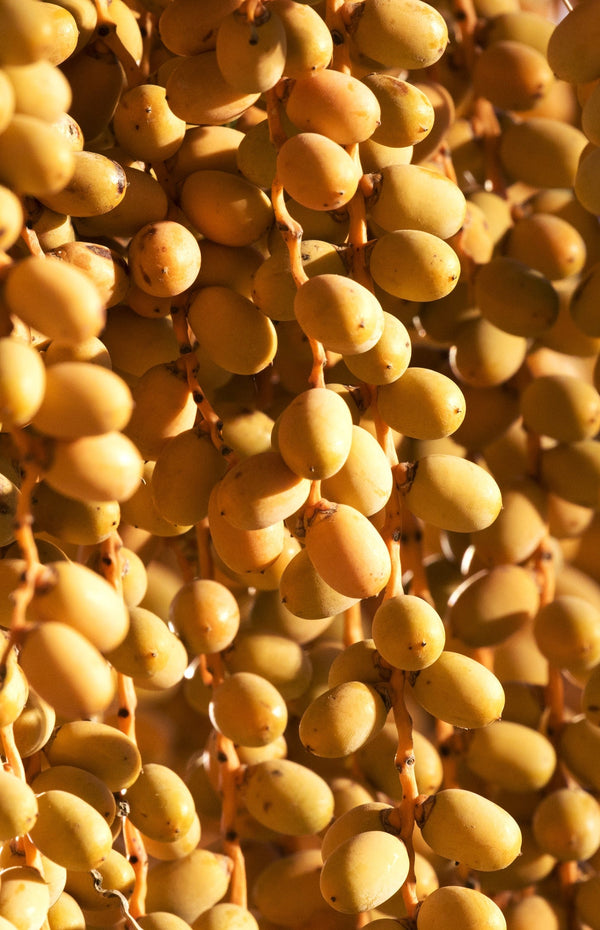
The Canary Island Palm Tree is a majestic and elegant palm with a striking, tall trunk and lush, fan-shaped fronds that can reach heights of up to 40 feet. Known for its impressive stature and unique, sweeping fronds, this palm tree instantly adds a tropical, exotic flair to any landscape or garden. Its silvery green leaves create a stunning contrast against its robust, textured trunk, making it a standout feature in any outdoor space. While not as sweet as true date palm fruits, the small orange dates produced by this tree are technically edible and enjoyed by wildlife. Whether planted in the ground or grown in a large container, Canary Island Palm is low-maintenance, requiring only occasional watering, which makes it a perfect choice for busy gardeners. Adding a sense of tranquility and elegance, it not only enhances the beauty of your garden but also provides valuable shade in hot summer months. A symbol of paradise, it’s perfect for creating a luxurious tropical atmosphere in your backyard or patio.Also Known As: Canary Island Palm, Phoenix Canariensis, Date Palm, Canary Date Palm, Canary Palm, Desert Palm, Spanish Date Palm, Royal Palm, Golden Palm, Palm Tree, Mediterranean Date Palm.
| Plant Name: | Tree, Canary Island Palm |
| Latin Name: | Phoenix canariensis |
| Days to Germinate: | 14-28 |
| Years to Fruit: | 6 - 7 Years |
| Plant Height: | 40 - 60 Feet |
| Spread: | 20 - 40 Feet |
| Growth Habit: | Upright |
| USDA Zones: | 8-12 |
| Lifespan: | Perennial |
| Brand: | TomorrowSeeds |
| Sunlight: | Full Sun, Partial Shade |
| Pollination: | Heirloom, Open-Pollinated |
| GMO: | No |
| Fungicide-Treated Seeds*: | No |
| Seeds Packed For**: | 2026 |
**Seeds are freshly packed for the growing season of the year listed. Seeds are still viable beyond pack date. Store in a cool and dry location such as the refrigerator or basement to best preserve germination rates.
Planting Instructions:
Soil Preparation:
Choose a clear, sunny location that is not in the shade of other trees and receives at least 6 hours of sunlight each day. Trees establish roots better in sandy, well-drained soils rather than heavy, poorly drained soil. Remove weeds, large rocks, and litter from the planting area. Leave small weeds and dead grass, they will enrich the soil when turned under. Spade or till the soil 6-8 inches deep. Loosening the soil will help the plant establish strong roots. If the soil is heavy or clay-like, mix in some sand or compost to improve drainage. Optionally, either form rows of soil beds or hills 4-6 inches high and at least 10 feet apart. This formation of ridges will help with drainage, ensure good airflow, and make harvesting or maintenance easier.
Planting:
Canary Island Date Palm Seeds requires soaking to soften the hard seed coat. Soak seeds in room-temperature tap water for 48 hours, changing the water every 12 hours to remove any natural chemical inhibitors on the seed coat that prevent germination. To warm-stratify, roll seeds in a damp paper towel, or mix with moist sand, and place in a resealable bag. Place the bag in a warm, 75F-90F area for 60-90 days, mimicking tropical climates. After the stratification period, seeds should be ready to germinate. To germinate seeds, plant the seeds in small pots with moist potting soil and in a warm, sunny location that is at least 70F in spring. Keep the soil moist, allowing the top inch of soil to dry in between waterings.Once the seedlings have developed a few sets of leaves and are at least 6 inches in height, harden off seedlings then transplant outdoors in the spring, in a sunny location when temperatures are consistently above 70F. To transplant seedlings, prepare a transplant hole outdoors in a sunny, permanent location. Remove the plants carefully from the pots or flats and set them in the transplant holes, burying some of the stem in the ground. Pack the soil loosely around the plant and leave a slightly sunken area around each plant to hold water. Water the plants after transplanting.
| Planting Depth: | 1 inch |
| Within-Row Spacing: | 20-40 feet |
| Between-Row Spacing: | 40 feet |
Care During the Season:
Canary Island Date Palm benefits from regular deep watering, especially during dry periods, but avoid overwatering to prevent root rot. Applying a balanced palm fertilizer in spring and summer supports lush growth and a vibrant canopy. Prune dead or damaged fronds carefully to maintain its majestic appearance while protecting the trunk from unnecessary wounds. Keeping an eye out for pests like scale insects or palm weevils ensures long-term health. With proper care, this palm will grow into a stunning, low-maintenance focal point.
Shipping Notes
- Free Standard Shipping on $100+ Orders to the USA.
- Except Preorder products are shipped in 48 hours.
- Delivery to the USA:
- Standard Shipping : 3-10 business days
- If time is of the essence, please consider selecting expedited delivery for faster service.
Exchange/Return Notes
- We offer a 30-day return/exchange service after receiving.
- Final sale items are not eligible for returns or exchanges.
- To process your return/exchange, please contact us at [email protected]
- Please click here for more details>>> Return & Exchange Policy