Pay in installments of $7.19 with
 ,
,
 and
and

Shipping Estimate
USA
- USA
- CAN
- USA
- CAN
Ships within 48 hours · Estimated delivery Aug 2 - Aug 7
 Promo Codes Available:
For Your Every Summer RSVP, with Code: SUMMER15
Description
air plant tattoo Tillandsia VariabilisTillandsia Variabilis The Mad Pupper Air Plant Meet Tillandsia Variabilis, affectionately known as the "Mad Pupper" of the Air Plant world! This adaptable beauty has earned its nickname thanks to its enthusiastic habit of producing offsets (pups) throughout the year, making it one of the most rewarding Air Plants to grow. If you're looking for an easy care plant that multiplies before your eyes, this is the one. Native to the tropical and subtropical
Tillandsia Variabilis - The Mad Pupper Air Plant
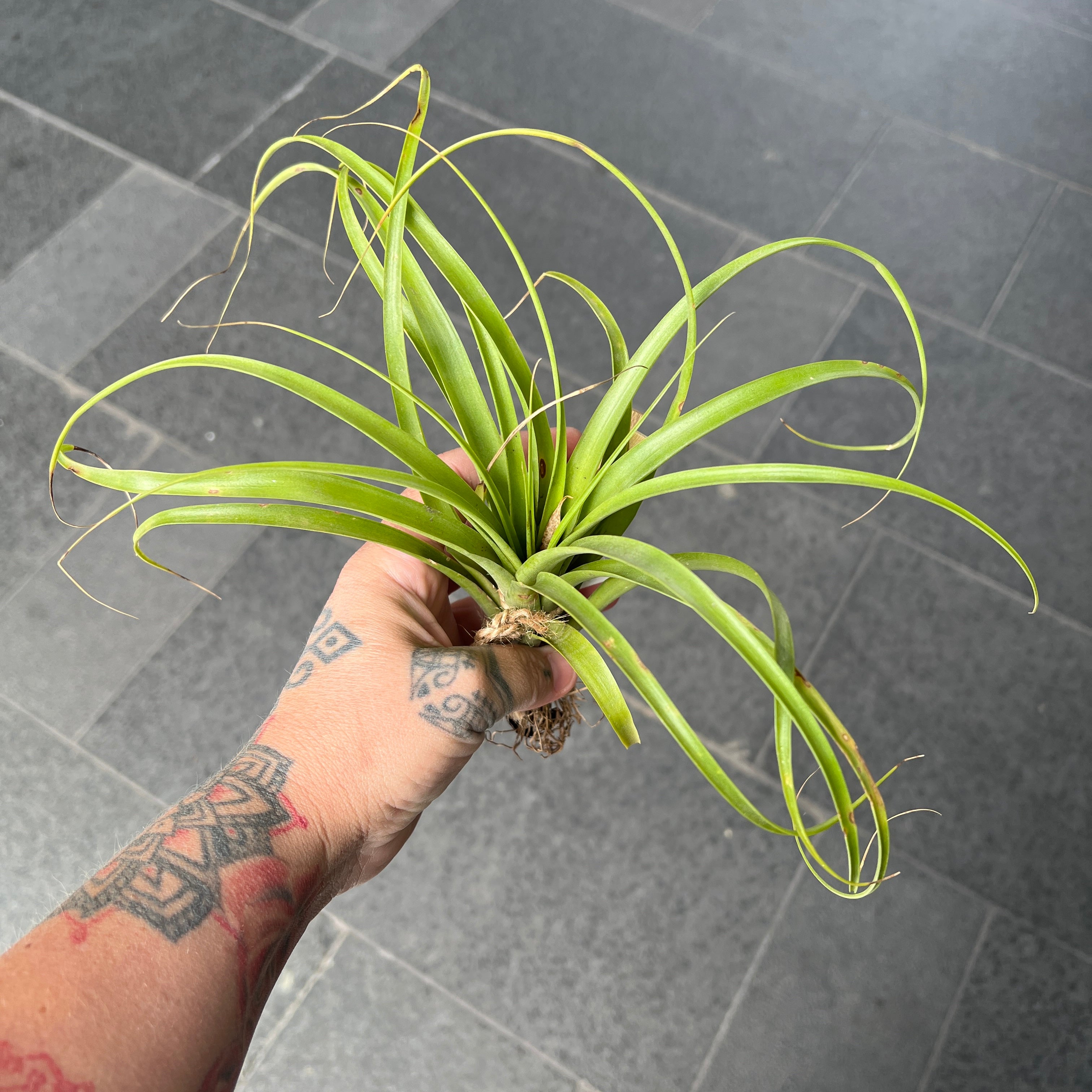
Meet Tillandsia Variabilis, affectionately known as the "Mad Pupper" of the Air Plant world! This adaptable beauty has earned its nickname thanks to its enthusiastic habit of producing offsets (pups) throughout the year, making it one of the most rewarding Air Plants to grow. If you're looking for an easy-care plant that multiplies before your eyes, this is the one.
Native to the tropical and subtropical regions spanning from Mexico to Bolivia and even into southern Florida, Tillandsia Variabilis is remarkably versatile. It grows happily as an epiphyte on tree branches in humid forests and has adapted to thrive in a wide range of conditions, making it an excellent choice for both beginners and experienced collectors.
Why Choose Tillandsia Variabilis?
- Prolific Pupper! Produces offsets all year round, quickly forming impressive clumps.
- Stunning Flowers! Gorgeous lavender to blue blooms emerge from colourful red or purple bracts.
- Adaptable Nature! Thrives in a variety of conditions from terrariums to outdoor displays.
- No Soil Needed! Mount it, hang it, or display it anywhere you like.
- Colour Changing! Leaves develop beautiful red tones in bright light.
- Pet Safe! Non-toxic to cats, dogs and humans.
- Perfect for Beginners! Forgiving and easy to care for.
The Variable Beauty
True to its name, Tillandsia Variabilis displays wonderful variation in its appearance. The soft, flexible leaves form an attractive rosette shape and are typically bright green with a slight silvery sheen from the fine trichomes that help the plant absorb moisture from the air. In brighter light conditions, the foliage develops gorgeous red colouration through the leaves, adding extra visual interest.
The leaves are narrowly triangular and can reach up to 30cm in length, creating a graceful, arching form. Unlike some Air Plants with stiff, silvery foliage, Tillandsia Variabilis has softer, more pliable leaves that give it an elegant, relaxed appearance.
When it comes time to bloom, this species puts on quite a show. A long inflorescence spike emerges from the centre of the plant, topped with striking bracts in shades of red, green or purple. From these colourful bracts, beautiful lavender to blue tubular flowers appear, each up to 3cm long. The flowering display can last for several weeks and is truly spectacular.
The Mad Pupper Reputation
What really sets Tillandsia Variabilis apart is its enthusiastic production of pups. While most Air Plants produce 2-5 offsets after flowering, Tillandsia Variabilis often produces pups before, during and after blooming, and can continue pupping throughout the year! This prolific habit means you'll quickly build up an impressive collection or have plenty to share with friends.
You can leave the pups attached to create a stunning clump display, or gently separate them once they reach about one-third the size of the mother plant to grow individually. Either way, you'll have a constantly expanding Air Plant family!
Light Requirements
Tillandsia Variabilis thrives in bright, indirect light and can tolerate some direct morning or evening sun. Avoid harsh midday sunlight which can scorch the soft leaves. An east or north-facing window provides ideal conditions indoors.
For outdoor growing, a position under a tree, on a covered verandah, or in a shadehouse works beautifully. The plant is quite adaptable and will adjust to various light levels, though brighter conditions will encourage the attractive red leaf colouration and promote flowering.
In lower light, the plant will survive but may become leggy with elongated, floppy leaves. If you notice this, gradually move your plant to a brighter spot.
Watering Your Air Plant
As an epiphyte, Tillandsia Variabilis absorbs water and nutrients through its leaves rather than roots. Your watering approach depends on where your plant is positioned:
For Plants in Shade: Mist your Air Plant once a week during summer. In winter, reduce misting to once every two to three weeks. Shaded positions retain moisture longer, so less frequent watering is needed.
For Plants in Part Sun: Give your plant a quick drench for about 10 seconds under the tap or with a watering can. After drenching, shake the plant gently to remove excess water and ensure no water settles in the crown, then return it to its spot.
The Golden Rule: Never let water pool in the centre of the rosette as this can cause rot. A quick shake after watering keeps your plant happy and healthy.
Watch your plant and adjust watering based on your specific environment. Curling or rolling leaves indicate your plant is thirsty, while soft or mushy bases suggest overwatering.
Humidity and Temperature
As a tropical species, Tillandsia Variabilis appreciates warmth and humidity. It prefers temperatures between 18-28°C during the day and can tolerate cooler nights down to around 10°C. Protect from frost and extreme cold.
While it prefers moderate to high humidity, this adaptable species can adjust to lower humidity levels if watered appropriately. Good air circulation is essential, so avoid completely enclosed containers where air cannot flow freely.
Feeding Your Air Plant
Air Plants benefit from occasional feeding during the growing season. You can mist with a very diluted Bromeliad or Orchid fertiliser once a month. Growth Technology Foliage Focus at a very diluted rate (1ml per litre) works well when applied as a foliar spray.
Don't overdo the fertilising as Air Plants are light feeders. A little goes a long way in encouraging healthy growth and flowering.
Display Ideas
One of the joys of Air Plants is the endless display possibilities! Since Tillandsia Variabilis doesn't need soil, you can get creative:
- Mount on driftwood or cork bark for a natural look
- Display in open terrariums or glass globes
- Nestle in shells or decorative holders
- Hang in macramé holders or wire displays
- Attach to rocks or crystals for a unique arrangement
- Create living wall art or vertical gardens
- Grow outdoors on trees, fences or in hanging baskets
The roots of Air Plants are primarily for anchoring rather than nutrient absorption, so you can use fishing line, plant-safe glue, or simply nestle the plant in its display. Just ensure good air circulation and easy access for watering.
Flowering and Propagation
Tillandsia Variabilis will bloom once in its lifetime, typically when mature and well-cared for. The stunning inflorescence with its colourful bracts and lavender-blue flowers is worth the wait! After flowering, the plant focuses its energy on producing pups.
This species is also notable for producing hundreds of seeds when pollinated, which are dispersed on fluffy, cotton-like material designed to catch the wind. While most hobbyists propagate through pups (which is much faster), seed propagation is possible for the patient grower.
Care Tips for Success
- Provide bright indirect light for best colour and flowering.
- Water according to light levels - mist in shade, drench in part sun.
- Always shake off excess water to prevent crown rot.
- Ensure good air circulation at all times.
- Keep warm and protect from frost.
- Feed lightly during the growing season.
- Let pups grow for impressive clumps, or separate to share.
Common Questions
Why are the leaf tips turning brown? This usually indicates underwatering or very low humidity. Increase watering frequency and ensure thorough hydration.
Can I grow it in an enclosed terrarium? Air Plants need good air circulation, so open terrariums are best. If using an enclosed container, ensure adequate airflow and be careful not to overwater.
How long until it flowers? This depends on the plant's maturity and growing conditions. Provide bright light and consistent care to encourage flowering. The wait is worth it!
Pet Safety
Tillandsia Variabilis is non-toxic to cats, dogs and humans, making it a wonderful choice for households with curious pets or children. Its soil-free nature also means no messy dirt for pets to dig in!
Perfect For
- Beginners looking for easy, forgiving plants
- Creative displays and living art
- Terrariums and glass globes
- Small spaces and apartments
- Pet-friendly households
- Air Plant collectors wanting prolific puppers
- Gifts that keep on giving
- Indoor and outdoor growing
Please Keep in Mind
Each plant is unique and may vary slightly from the images shown. The photos are representative examples of the quality and characteristics you can expect, but natural variations in size, leaf colour and form make every Tillandsia Variabilis one-of-a-kind. This individuality is part of what makes growing plants so special! For information on how your plant will be shipped, please refer to our shipping and delivery section.
If you are from a quarantine restricted state and would like to purchase this plant we recommend using Paradise Distributors concierge service, make sure to contact them prior to purchasing: [email protected]
Shipping Notes
- Free Standard Shipping on $100+ Orders to the USA.
- Except Preorder products are shipped in 48 hours.
- Delivery to the USA:
- Standard Shipping : 3-10 business days
- If time is of the essence, please consider selecting expedited delivery for faster service.
Exchange/Return Notes
- We offer a 30-day return/exchange service after receiving.
- Final sale items are not eligible for returns or exchanges.
- To process your return/exchange, please contact us at [email protected]
- Please click here for more details>>> Return & Exchange Policy