Pay in installments of $7.49 with
 ,
,
 and
and

Shipping Estimate
USA
- USA
- CAN
- USA
- CAN
Ships within 48 hours · Estimated delivery Aug 5 - Aug 10
 Promo Codes Available:
For Your Every Summer RSVP, with Code: SUMMER15
Description
parlor palm botanical name Chamaedorea elegansChamaedorea elegans Chamaedorea elegans, widely known as the Parlour Palm, is a small understory palm with fine, feathered fronds and a naturally compact habit. Slender green stems carry narrow leaflets along arching fronds, giving the plant a soft layered outline as it matures. Several young plants are often grown together in one pot to create a fuller crown from an early stage. Growth is slow and steady: older stems gain height gradually while fresh
Chamaedorea elegans
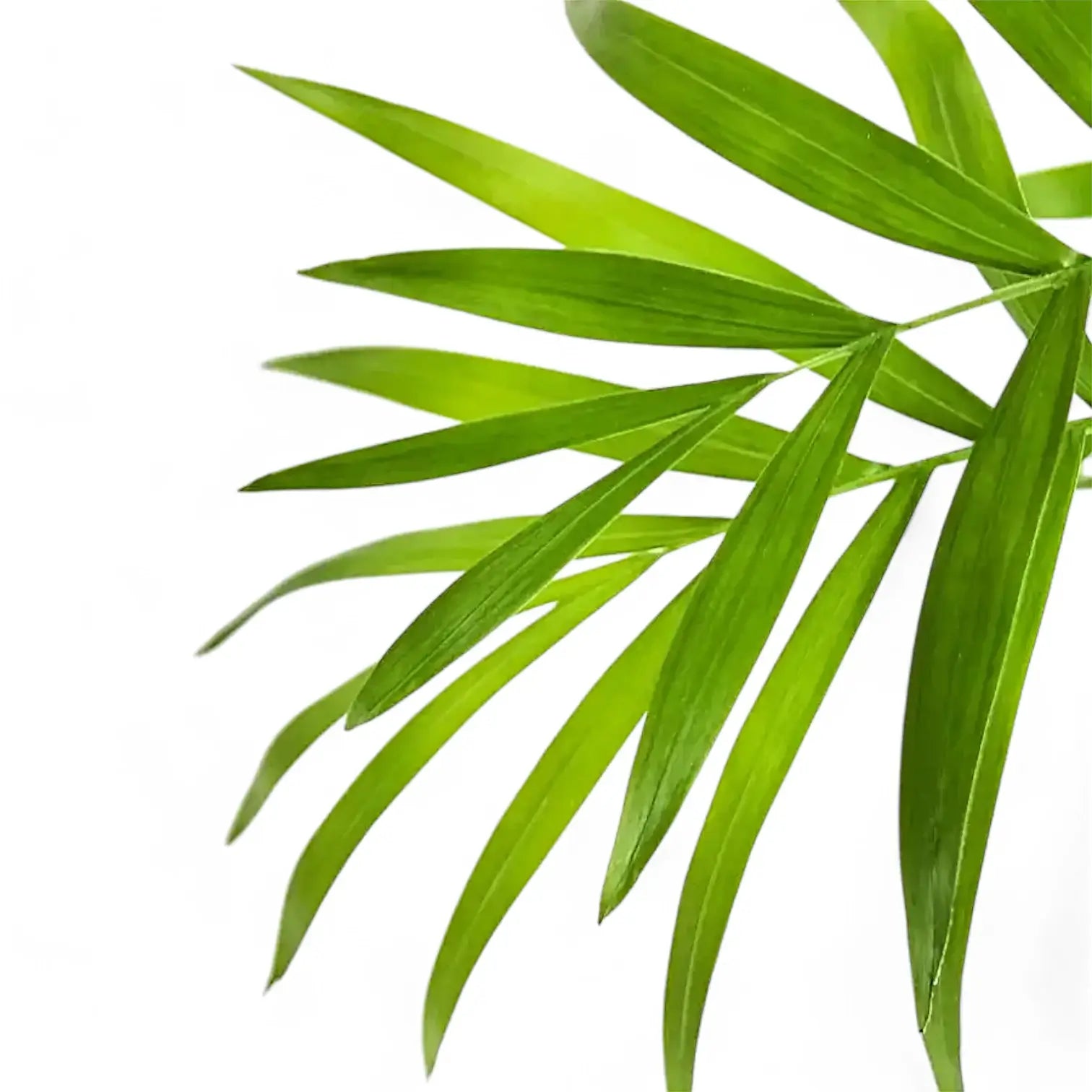
Chamaedorea elegans, widely known as the Parlour Palm, is a small understory palm with fine, feathered fronds and a naturally compact habit. Slender green stems carry narrow leaflets along arching fronds, giving the plant a soft layered outline as it matures.
Several young plants are often grown together in one pot to create a fuller crown from an early stage. Growth is slow and steady: older stems gain height gradually while fresh fronds rise from the crown. Indoors, Chamaedorea elegans stays manageable for many years when the root zone remains lightly moist, airy, and protected from cold stress.
Fine fronds and parlour palm habit
- Small palm with fine, pinnate green fronds and a soft upright crown
- Slow-growing container plant, often grown as several young stems together
- Native to Mexico and Central America, where it grows as an understory palm
- Adapts to bright indirect light and lighter shade indoors
- Pet-friendly according to ASPCA listings for cats and dogs
Growth habit, origin and frond detail
Chamaedorea elegans belongs to the palm family, Arecaceae. Its native range extends from Mexico into Central America, where it grows below taller vegetation. Its slim stems, shade-tolerant fronds and steady response to filtered indoor light match that understory habitat.
The fronds are pinnate, with narrow leaflets arranged along a central axis. Each new frond adds height and width gradually, so the plant develops by layering fresh leaves above older ones. Mature plants may flower under good conditions, producing small yellowish inflorescences, although indoor flowering depends on plant age, light and overall growth.
Keeping Chamaedorea elegans evenly green
- Light: Keep in bright indirect light to light shade. Direct midday sun can scorch the thin leaflets.
- Watering: Allow the top layer to partly dry before the next thorough watering. Keep the root ball lightly moist, then let excess water drain fully.
- Substrate: Use a loose houseplant mix with good drainage. Fine bark, coco fibre, perlite, or mineral particles help keep oxygen around the roots.
- Temperature: Hold temperatures above 15°C for steady indoor growth. Protect from cold draughts, cold windowsills, and sudden temperature drops.
- Humidity: Average indoor humidity is usually tolerated, but dry air can increase brown leaf tips. A humidifier or grouped plants can help during heated months.
- Feeding: A diluted balanced fertiliser every 4–6 weeks in spring and summer is enough for this slow palm.
- Repotting: Move up only once the pot is well filled with roots. Move up by one pot size and keep the stem bases at the same level.
- Pruning: Remove fully dry lower fronds at the base. Keep cuts away from the central growing point of each active stem.
- Warm-season outdoor placement: A sheltered, shaded position can suit it during warm weather above 15°C. Acclimate gradually and bring it indoors before cool nights return.
- Propagation: Commercial propagation is mainly by seed. Multi-planted pots can be separated when stems divide cleanly with their own roots.
Brown tips, yellow fronds and mite checks
- Brown leaflet tips: Often linked to dry air, irregular watering, salts in the substrate, or cold draughts. Check the watering pattern and flush the pot occasionally with clean water.
- Yellowing lower fronds: A single ageing frond is normal. Several yellow fronds at once point to waterlogged roots, cold substrate, or depleted conditions.
- Pale, stretched growth: Very low usable light produces weaker, looser fronds. Move the plant closer to a bright window with filtered light.
- Fine webbing or speckled leaves: Check for spider mites, especially in warm dry air. Rinse foliage and treat early before damage spreads.
Cane clump and pruning notes
Young Chamaedorea elegans plants are often planted in groups for a fuller pot. In a shared container, stronger stems may gain more light and space while smaller stems slow down. This is a normal part of how grouped palms develop over time.
Pet safety and handling
ASPCA lists Chamaedorea elegans as non-toxic to cats and dogs. Chewed fronds can still upset sensitive stomachs, so trim damaged growth and discourage pets from grazing.
Name origin and species background
The accepted botanical name is Chamaedorea elegans Mart., in the family Arecaceae. The genus name Chamaedorea is derived from Greek elements commonly interpreted as “ground” and “gift”, referring to the low stature of many species in the genus. The species epithet elegans means elegant, matching the plant’s fine fronds and restrained growth habit.
Chamaedorea elegans shows soft feathered fronds, slender green stems and a compact palm profile.
Shipping Notes
- Free Standard Shipping on $100+ Orders to the USA.
- Except Preorder products are shipped in 48 hours.
- Delivery to the USA:
- Standard Shipping : 3-10 business days
- If time is of the essence, please consider selecting expedited delivery for faster service.
Exchange/Return Notes
- We offer a 30-day return/exchange service after receiving.
- Final sale items are not eligible for returns or exchanges.
- To process your return/exchange, please contact us at [email protected]
- Please click here for more details>>> Return & Exchange Policy