Pay in installments of $7.26 with
 ,
,
 and
and

Shipping Estimate
USA
- USA
- CAN
- USA
- CAN
Ships within 48 hours · Estimated delivery Aug 5 - Aug 10
 Promo Codes Available:
For Your Every Summer RSVP, with Code: SUMMER15
Description
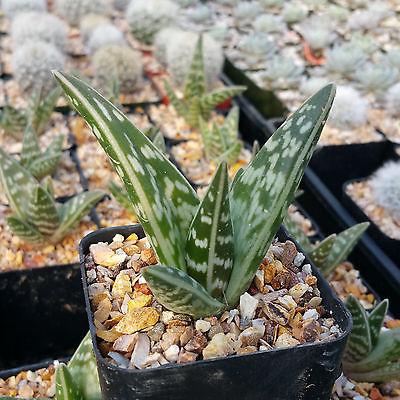
aloe succulent types Tiger ‘Aloe variegata’ (Gonialoe variegata) 4" PotAre you looking for a show stopping addition to your indoor and outdoor succulent collection? Look no further than the magnificent Tiger Aloe, scientifically known as Aloe variegata (reclassified as Gonialoe variegata), which is a vibrant and delightful succulent that will surely captivate any plant lover's heart. This enchanting aloe plant boasts short, longitudinally arranged white spots on both upper and lower surfaces that align in horizontal
Are you looking for a show-stopping addition to your indoor and outdoor succulent collection? Look no further than the magnificent Tiger Aloe, scientifically known as Aloe variegata (reclassified as Gonialoe variegata), which is a vibrant and delightful succulent that will surely captivate any plant lover's heart. This enchanting aloe plant boasts short, longitudinally-arranged white spots on both upper and lower surfaces that align in horizontal bands – hence earning it the name tiger aloe or moniker Partridge Breasted Aloe. It is sometimes mistakenly referred to as cape aloe, but the real cape aloe is Aloe ferox.
Belonging to the Asphodelaceae family, it can grow up to 24 inches tall and 12 inches wide. This aloe variegata is a slow-growing plant and can take several years to reach its full size.
In its natural habitat, South Africa and Namibia, the blooming season for this succulent is from July to September, but indoors, the bloom season may begin in the winter and last through the spring. The Orange, salmon pink flowers that dangle from the stem in multiple directions emit a light and sweet fragrance.
Tiger aloe (Gonialoe variegata) is mildly toxic to pets. To propagate your Tiger aloe Variegata, remove the offsets that appear around the base of the parent plant with a sharp, clean knife or razor. When you have a healthy Partridge breast Aloe plant, these small rosettes will grow.
Watering Needs
When watering these South African Aloes, it's important to find the right balance. This tiger aloe, just like the Aloe vera plant, prefers to be slightly underwatered rather than overwatered. It is a drought-tolerant succulent and stores water in its fleshy leaves, so it can withstand periods of dryness.
To meet the watering needs of the Tiger Aloe, it's best to allow the soil to dry out between waterings. Before watering, make sure the top inch of the soil is completely dry. When you do water your tiger aloe plant, make sure to water thoroughly, allowing the water to soak through the soil and drain out of the bottom of the pot.
During the growing season, which is typically spring and summer, you can water the Tiger Aloe more frequently. However, during the dormant period in fall and winter, you should reduce the frequency of watering. Remember, it's always better to underwater than overwater this Aloe variegata to prevent root rot.
If the leaves start to look shriveled or feel soft, it's a sign that your aloe plant needs water. On the other hand, if the leaves become mushy or turn yellow, it could be a sign of overwatering.
Light Requirements
Like many succulents, the tiger aloe thrives in partial shade, though full sun may cause your plant to turn reddish-brown, adding to its vibrant beauty.
If you are growing tiger aloe indoors, place your tiger aloe near a window that receives bright, filtered sunlight. East-facing or south-facing windows are usually ideal. If you don't have a window that provides enough light, you can also use artificial grow lights to supplement the natural light.
Keep an eye on this variegated tiger aloe plant and observe how it responds to light conditions. If the leaves start to stretch or become pale, it may be an indication that it is not getting enough light. On the other hand, if the leaves turn brown or develop sunburn spots, they may be receiving too much direct sunlight.
Remember to rotate the plant occasionally to ensure even exposure to light on all sides. This will help prevent your Aloe variegata from leaning towards the light source and promote balanced growth.
Optimal Soil & Fertilizer Needs
When it comes to the optimal soil and fertilizer needs of the Tiger Aloe, it's important to provide a well-drained potting soil surface specifically formulated for succulents. Tiger aloe grows abundantly on rocky outcrops in its natural habitat. So, they're not picky about soil, except that they need good drainage. Instead, make or buy a well-draining soil, or ideally, use our specialized succulent potting mix that contains 5 natural substrates and mycorrhizae to promote the development of a strong root system that helps your succulent to thrive.
Tiger aloe does not require frequent feedings, but if you haven't made it a habit to do so, a mature plant that doesn't bloom might encourage flowering from one in the spring with a balanced natural fertilizer with an equal mix of NPK. However, be cautious not to over-fertilize, as this can lead to weak, leggy growth.
Remember, it's always better to err on the side of caution and under-fertilize rather than over-fertilize succulents. If you notice any signs of fertilizer burn, such as brown or scorched leaves, reduce the frequency or strength of the fertilizer.
Hardiness Zone & More
The Tiger Aloe is well-suited to warm and arid climates and is typically grown indoors in colder zones. It is generally recommended for hardiness zones 9-11. In terms of temperature, the Tiger Aloe prefers a range between 60°F and 80°F if grown outdoors. It can tolerate slightly cold temperatures but may struggle in extreme heat.
Native to dry conditions, this aloe plant tolerates hot temperatures and low humidity levels. It doesn't require high levels of humidity and can thrive in average indoor humidity levels, which are typically around 40-60%. However, it's important to avoid excessively dry air, which can cause the leaves to shrivel. If the air in your home is particularly dry, you can increase humidity by using a humidifier or placing a tray of water near the aloe plant.
Remember, it's always a good idea to monitor the temperature and humidity levels in your specific location and make adjustments as needed to create the best-growing conditions for your Tiger Aloe plants.
We think you will love this aloe plant for sale – order your very own Aloe variegata - tiger aloe today and start enjoying its beauty in no time!
Shipping Notes
- Free Standard Shipping on $100+ Orders to the USA.
- Except Preorder products are shipped in 48 hours.
- Delivery to the USA:
- Standard Shipping : 3-10 business days
- If time is of the essence, please consider selecting expedited delivery for faster service.
Exchange/Return Notes
- We offer a 30-day return/exchange service after receiving.
- Final sale items are not eligible for returns or exchanges.
- To process your return/exchange, please contact us at [email protected]
- Please click here for more details>>> Return & Exchange Policy