Pay in installments of $6.82 with
 ,
,
 and
and

Shipping Estimate
USA
- USA
- CAN
- USA
- CAN
Ships within 48 hours · Estimated delivery Aug 2 - Aug 7
 Promo Codes Available:
For Your Every Summer RSVP, with Code: SUMMER15
Description
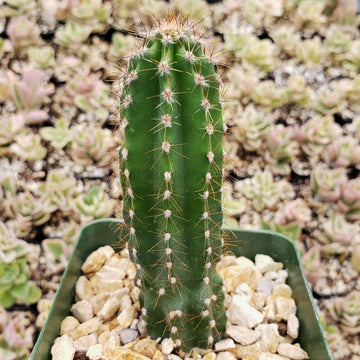
peruvian san pedro cactus Get "Peruvian Apple Cactus - Cereus repandus" For saleIntroducing the Peruvian apple cactus, also known as Cereus repandus (formerly known as Cereus peruvianus), which belongs to the Cereus genus. Native to South America, the Peruvian apple cactus gets its name from its resemblance to an apple. This columnar cactus has several other common names, such as apple cactus hedge, Queen of the Night, and giant club cactus. The perennial peruvian apple cactus has a tree like appearance, often with many upright
Introducing the Peruvian apple cactus, also known as Cereus repandus (formerly known as Cereus peruvianus), which belongs to the Cereus genus. Native to South America, the Peruvian apple cactus gets its name from its resemblance to an apple. This columnar cactus has several other common names, such as apple cactus hedge, Queen of the Night, and giant club cactus.
The perennial peruvian apple cactus has a tree-like appearance, often with many upright or slightly curved branches and often with distinct trunks that can grow up to 33 feet tall.
The flowers of the Peruvian apple cactus bloom at night in the warm season, which is one of its most distinctive features. These flowers are large and showy, typically measuring around 6 inches in diameter. They come in various colors, including white, yellow, and pink, and emit a sweet fragrance that attracts pollinators like bats and moths. Each nocturnal flower opens for just one night and then shrivels up.
The fruit of the Peruvian apple cactus resembles dragon fruit in appearance, but it is totally smooth and spherical and lacks a leafy scale-like structure. When fully mature, its magenta-red exterior will break open to reveal a white, mushy inside flecked with small black seeds like kiwi seeds.
Peruvian apple cactus propagation can be done through various methods, such as stem cuttings or crunchy seeds. Both methods require proper care and attention to ensure the successful propagation of the apple cactus.
Additionally, the Peruvian apple cactus is friendly to both humans and pets. Furthermore, the Peruvian apple cactus is known for its ability to thrive in arid climates, making it a low-maintenance plant for gardening enthusiasts.
Go to soil cactus mix blend 1 gal 4 qt cacti succulent dirt compost growing mediaWatering Needs
In addition to its striking appearance, the Peruvian apple cactus family is also known for its resilience and ability to thrive in arid conditions. It has adapted to survive in dry and hot climates by storing water in its thick, fleshy stems. This adaptation allows the Peruvian apple cactus to withstand periods of drought and makes it a low-maintenance plant for cactus enthusiasts.
In the spring and summer, during the growing season, you can water the Peruvian apple cactus once every 2–3 weeks. However, during the dormant period in winter, it is best to reduce the watering frequency to once a month or even less, as the Cereus repandus requires less water during this time. To avoid root rot, allow the soil to dry between waterings.
Remember to always check the moisture level of the soil before watering to ensure you're not overwatering this desert-loving Peruvian apple plant.
Light Requirements
When growing the Peruvian apple cactus indoors, it's important to provide it with bright, indirect light. Place it near a window where it can receive several hours of bright light each day. However, make sure to protect it from direct sunlight, as it can scorch the plant's delicate tissues. You can also supplement light with a grow light specifically designed for indoor plants. This will help ensure that your cactus receives the right amount of light for healthy growth.
When grown outdoors, your Peruvian apple cactus thrives in full sun conditions, so it's best to place it in a spot where it can receive at least 6–8 hours of direct sunlight daily. It loves warm and sunny climates.
Lighting Tips
- If you notice that your cereus cactus is stretching or leaning toward the light, it might be an indication that it needs more sunlight.
- On the other hand, if you see signs of sunburn, such as yellow or brown spots on the cactus, it may be getting too much direct sunlight.
- Finding the right balance of light will help your night-blooming cereus cactus to grow a healthy apple cactus fruit.
Optimal Soil & Fertilizer Needs
When it comes to choosing the light, well-draining soil for your adorable Peruvian cacti plant, you need to be careful! It's like picking out the perfect outfit for a date—you want to make sure everything is just right so there are no surprises later on.
Planting your Peruvian apple cactus in ordinary soil will result in compacted roots, stunted growth, and most likely root rot. That's why we at Planet Desert have got your back with our . This organic substrate has mycorrhizal, which helps grow plants with a healthy root system that makes all those thick stems stand tall and proud. As an okay alternative, you can create your own cactus mix by combining equal portions of perlite, coarse sand, and good natural potting soil.
When it comes to fertilizing, the Cereus repandus does not require frequent feeding. You can use a balanced (5-10-5) NPK fertilizer once a year during the growing season, which is typically spring. However, it's important not to overfertilize, as this can cause damage to the cactus.
Remember to follow these instructions for Peruvian apple cactus care and adjust the frequency based on the needs of your individual plant.
Hardiness Zone & More
When growing indoors, the Cereus repandus prefers average room temperatures between 65°F and 75°F. Hailing all the way from arid regions, it can tolerate slightly higher temperatures, but try to avoid exposing it to extreme heat or cold drafts. It can thrive in average household humidity, which is typically around 40–60%. If your home tends to be very dry, especially during the winter months, you can increase the humidity around the plant by using a humidifier or placing a tray filled with water near the cactus.
For outdoor cultivation, the Peruvian apple cactus is a desert cactus and is generally hardy in USDA zones 9–11, which means it can tolerate temperatures as low as 20°F to 40°F. It's important to provide good air circulation around the cactus to prevent excessive humidity and reduce the risk of fungal diseases.
Final Thoughts
Overall, the Peruvian apple cactus (Cereus repandus) is a unique and captivating plant that adds tropical beauty to any space. Its tall, columnar stems and white flowers bloom at night, making it a favorite among plant enthusiasts. This easy-to-care-for plant thrives in well-draining soil and prefers bright, indirect sunlight. It can tolerate some drought but requires regular watering during the growing season and reduced watering in the winter to prevent root rot. The Peruvian apple cactus produces edible fruits resembling small apples, which are sweet and juicy. However, it may take several years for the cactus to reach maturity.
With the help of the cactus Cereus repandus – Peruvian apple cactus, you'll start to spend less time maintaining your garden and more time taking in its beauty!
Shipping Notes
- Free Standard Shipping on $100+ Orders to the USA.
- Except Preorder products are shipped in 48 hours.
- Delivery to the USA:
- Standard Shipping : 3-10 business days
- If time is of the essence, please consider selecting expedited delivery for faster service.
Exchange/Return Notes
- We offer a 30-day return/exchange service after receiving.
- Final sale items are not eligible for returns or exchanges.
- To process your return/exchange, please contact us at [email protected]
- Please click here for more details>>> Return & Exchange Policy