Pay in installments of $7.21 with
 ,
,
 and
and

Shipping Estimate
USA
- USA
- CAN
- USA
- CAN
Ships within 48 hours · Estimated delivery Aug 4 - Aug 9
 Promo Codes Available:
For Your Every Summer RSVP, with Code: SUMMER15
Description
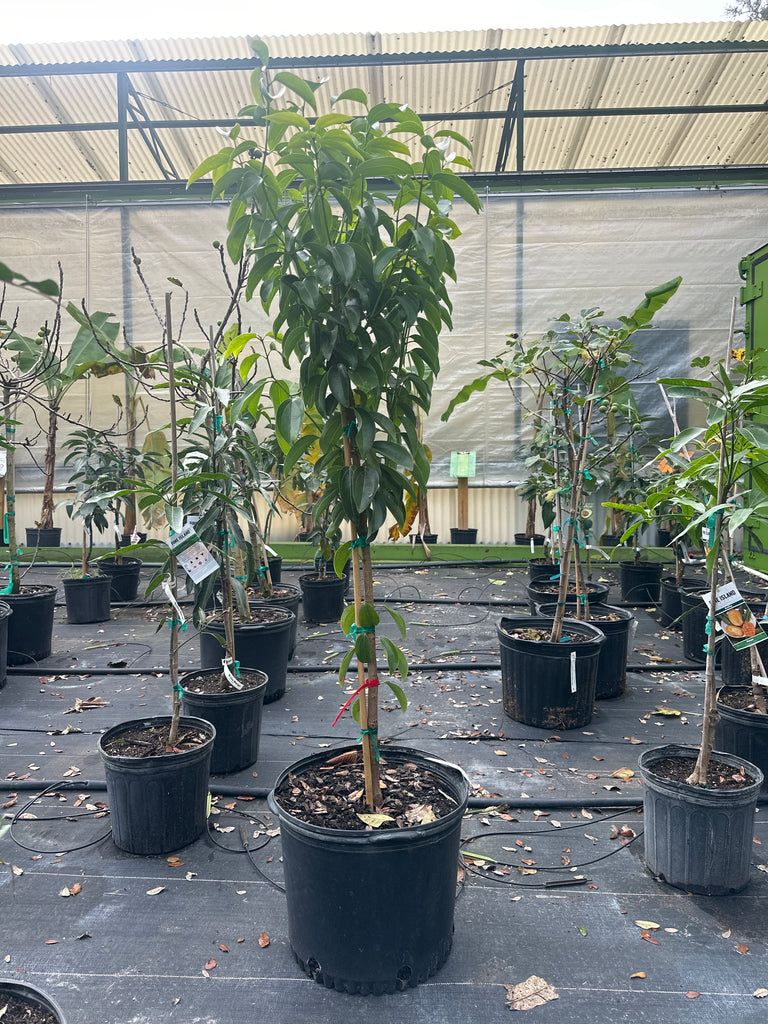
cinnamon tree plant Cinnamon Tree — Jolly Green NurseryCinnamon Tree (Cinnamomum zeylanicum) Overview The Cinnamon Tree, scientifically known as Cinnamomum zeylanicum, is a tropical evergreen tree native to Sri Lanka, India, and other parts of Southeast Asia. It is best known for the spice cinnamon, which comes from the bark of the tree. The tree has aromatic leaves and produces small, yellowish flowers, which are followed by small berries. The taste of cinnamon derived from this tree is sweet, warm, and
Cinnamon Tree (Cinnamomum zeylanicum) Overview
The Cinnamon Tree, scientifically known as Cinnamomum zeylanicum, is a tropical evergreen tree native to Sri Lanka, India, and other parts of Southeast Asia. It is best known for the spice cinnamon, which comes from the bark of the tree. The tree has aromatic leaves and produces small, yellowish flowers, which are followed by small berries. The taste of cinnamon derived from this tree is sweet, warm, and slightly spicy, with a distinct, fragrant aroma that is unmistakable in both culinary and medicinal applications.
Taste Profile
The flavor of cinnamon from Cinnamomum zeylanicum, also called "true cinnamon," is generally more delicate and sweet compared to its more common counterpart, Cinnamomum cassia. True cinnamon has a mild, complex flavor profile with subtle hints of citrus and clove. This makes it a popular choice for both sweet and savory dishes, as well as for use in traditional medicine. The texture of the bark, which is typically thinner and softer than cassia, also contributes to its superior culinary reputation.
Best Growing Environment
Cinnamon trees thrive in warm, humid environments with rich, well-drained soils. They prefer areas that provide consistent temperatures between 65F and 95F (18°C - 35°C), and they require high humidity to mimic their native tropical climates. The trees are not cold-tolerant, making them unsuitable for regions with frost or freezing temperatures. Ideally, cinnamon trees grow in sheltered, partly shaded locations to protect them from the harsh midday sun, though they can tolerate full sun if grown in tropical or subtropical areas.
Common Names
- True Cinnamon
- Cinnamomum verum
- Cinnamomum zeylanicum (historically used, though this is a synonym)
Average Height and Growth Rate
Cinnamon trees can grow to a height of 30 to 40 feet (9 to 12 meters) in their natural environment, though they can be pruned to maintain a more manageable size for cultivation or ornamental purposes. In ideal conditions, these trees have a relatively fast growth rate, typically gaining 1 to 2 feet (30 to 60 cm) of height per year during the growing season, especially when young.
Sun Requirements
Cinnamon trees generally prefer partial shade in areas with intense sun, though they will tolerate full sun if grown in regions where high humidity and sufficient water are available. When grown indoors, it is essential to provide bright, indirect light or place the tree in a location that receives filtered sunlight.
Cold Hardiness
Cinnamon trees are highly sensitive to cold. They grow best in USDA zones 9b-12 and cannot survive freezing temperatures. A drop in temperature below 50F (10°C) can cause significant damage, and frost will kill the tree, so it requires frost protection in the Tampa Bay area. In non-tropical climates, cinnamon trees can be grown indoors or in greenhouses, where temperatures can be regulated.
Water Requirements
Cinnamon trees require consistent moisture and thrive in humid environments. The soil should be kept moist but not soggy. Overwatering can lead to root rot, so good drainage is essential. During the growing season, water the tree regularly, especially during dry spells. In winter, when the tree's growth slows, reduce watering but ensure the soil doesn't dry out completely. If grown indoors, maintaining humidity through misting or a humidity tray can help the tree stay healthy.
Planting Guide
When planting a cinnamon tree, choose a well-drained, fertile soil. If planting in the ground, ensure the site is free from frost and provides adequate space for the tree’s roots to spread. If growing in a container, use a large pot with drainage holes, and select a soil mix that retains moisture but doesn't become waterlogged.
- Planting Location: Choose a sunny location or partial shade, preferably with protection from harsh winds.
- Soil Requirements: The soil should be slightly acidic to neutral (pH 6.0-7.0) and rich in organic matter.
- Planting Depth: Dig a hole large enough to accommodate the root ball, and ensure the top of the root ball is level with the ground. If growing in a container, place the tree in a pot that is 2-3 inches (5-8 cm) larger in diameter than the root ball.
- Spacing: If planting multiple trees, space them at least 10 feet (3 meters) apart to allow for mature growth.
Fertilization Schedule and Recommendations
Cinnamon trees require a balanced fertilizer to promote healthy growth and bark production. Fertilizing should be done in early spring, when the tree starts actively growing, and continued through mid-summer. Here’s a recommended fertilization schedule:
- Spring (March - April): Apply a balanced fertilizer like 10-10-10 (NPK) or a slow-release organic fertilizer to promote overall growth.
- Summer (June - July): Apply a second round of fertilizer to support the ongoing growth cycle, particularly if the tree shows signs of nutrient deficiency (e.g., yellowing leaves).
- Fall (September): If necessary, apply a light dose of a potassium-rich fertilizer to help the tree prepare for the cooler months and promote strong bark formation.
- Winter (December - February): No fertilizing is needed during the winter months, as the tree's growth slows down significantly.
It is essential not to over-fertilize cinnamon trees, as this can lead to excessive leaf growth at the expense of bark production.
USDA Hardiness Zones
The cinnamon tree is best suited to USDA hardiness zones 9b through 12. In these zones, the temperatures remain warm year-round, with minimal risk of frost or freezing temperatures. For gardeners in colder climates, cinnamon trees can be grown in pots and moved indoors during the winter months.
Shipping Notes
- Free Standard Shipping on $100+ Orders to the USA.
- Except Preorder products are shipped in 48 hours.
- Delivery to the USA:
- Standard Shipping : 3-10 business days
- If time is of the essence, please consider selecting expedited delivery for faster service.
Exchange/Return Notes
- We offer a 30-day return/exchange service after receiving.
- Final sale items are not eligible for returns or exchanges.
- To process your return/exchange, please contact us at [email protected]
- Please click here for more details>>> Return & Exchange Policy