Pay in installments of $5.46 with
 ,
,
 and
and

Shipping Estimate
USA
- USA
- CAN
- USA
- CAN
Ships within 48 hours · Estimated delivery Aug 18 - Aug 23
 Promo Codes Available:
For Your Every Summer RSVP, with Code: SUMMER15
Description
nigerian guest wedding dresses Morenike Purple Satin Silk African Boubou Dress with Red Embroidery – African Fashion for Women by Dupsie’s African Clothing DPSBEM2 3X(24W)Product Description Morenike by Dupsies African Fashion is a regal purple Satin Silk African Boubou Caftan dress that celebrates African fashion for women with dramatic red embroidery inspired by classic African clothing heritage and modern Nigerian wedding guest African fashion. This African Satin Silk dress is crafted from a rich, satin silklike fabric that gives this African dress a luxurious sheen, flowing softness, and draped elegance that define
Product Description
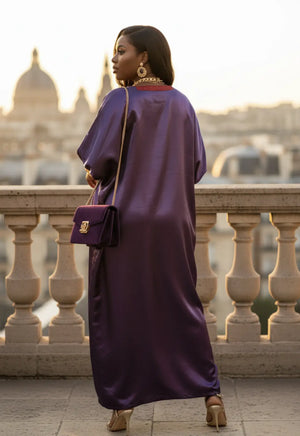
Morenike by Dupsie’s African Fashion is a regal purple Satin Silk African Boubou Caftan dress that celebrates African fashion for women with dramatic red embroidery inspired by classic African clothing heritage and modern Nigerian wedding guest African fashion.
This African Satin Silk dress is crafted from a rich, satin silk–like fabric that gives this African dress a luxurious sheen, flowing softness, and draped elegance that define high‑end African clothing for women and contemporary African fashion for women.
The Morenike African Satin Silk dress features a deep purple color that symbolizes African royalty, spiritual depth, dignity, and power in African fashion, making this African attire a statement piece for African parties, Nigerian wedding guest events, and sophisticated African clothing occasions.
The vibrant red embroidery on this African women Satin Silk dress is intricately patterned in bold, geometric African designs that reflect strength, passion, celebration, and vitality in African fashion and African clothing traditions.
Every line of the red embroidery on this African party dress draws the eye vertically down the bodice, creating a lengthening effect that flatters the figure while honoring African clothing craftsmanship and centuries of African fashion artistry.
The short, softly puffed sleeves on this African Satin Silk dress blend modern African fashion for women with the relaxed comfort of traditional African clothing silhouettes, perfect for African parties, Nigerian wedding guest outfits, or special African attire occasions.
The smooth, straight hem of this African dress allows the Satin Silk‑like fabric to skim gracefully over the body, giving this African clothing piece a timeless elegance ideal for African fashion lovers who appreciate both tradition and modern style.
The red pre‑tied modu hat shown with this African Satin Silk dress is a classic African fashion accessory often seen at Nigerian weddings and African parties, but this red modu hat is sold separately and is not included with the Morenike African dress by Dupsie’s African Fashion.
Wear this Morenike African clothing piece as a Nigerian wedding guest dress to celebrate African culture with a refined African fashion for women look that balances sophistication and cultural pride.
This African Satin Silk dress is perfect for African parties where African fashion and African clothing shine through bold colors, luxurious textures, and expressive African attire silhouettes.
Morenike is also ideal African clothing for women attending engagement parties, bridal showers, graduations, and church events, where African fashion and African dresses are cherished symbols of grace and respect.
As prom fashion, this Satin silk African dress offers a unique African fashion for women alternative to mainstream Satin dresses, allowing African clothing and African attire to stand out on prom night with cultural elegance.
This African women Satin silk dress can be styled with African jewelry, African headwraps, or the separate red modu hat to create a complete African fashion look that highlights the rich heritage of African clothing and Nigerian wedding guest African fashion.
The purple color in this African dress represents royalty, spirituality, and nobility in many African cultures, making this African fashion piece a powerful statement of identity in African clothing and African attire.
The red embroidery in this African Satin Silk dress symbolizes love, energy, and celebration in African fashion, reflecting the joy of African parties, Nigerian weddings, and special African clothing occasions.
The black accents within the embroidery details subtly echo strength, resilience, and depth in African fashion history, linking this modern African clothing piece to generations of African attire worn with pride.
The contrast between the smooth purple satin silk–like fabric and the textured red embroidery in this African dress showcases the artistry of African clothing design and the creativity of African fashion for women today.
Every stitch of this African Satin Silk dress pays tribute to the long history of African dresses and African clothing, where fabric, color, and pattern communicate status, culture, and personal style in African fashion.
Brief History of African Satin Silk Dresses in African Fashion
African Satin Silk dresses in African fashion evolved as African clothing artisans began blending imported satin and silk‑like fabrics with traditional African attire silhouettes, turning global textiles into distinctly African dresses.
In earlier times, African clothing for women relied heavily on cotton, hand‑woven textiles, and local fibers, but African fashion quickly embraced shiny satin and silk‑like fabrics to create African dresses suited for royal events, ceremonies, and celebrations.
As trade expanded, African fashion designers incorporated satin and silk‑like fabrics into African dresses for queens, brides, and distinguished guests, making African Satin Silk dresses a symbol of prestige in African clothing history.
Modern African Satin Silk dresses like Morenike reflect this evolution by merging traditional African clothing shapes with contemporary Satin silk finishes, giving African fashion for women a luxurious yet cultural African attire identity.
Today, African Satin Silk dresses are seen at Nigerian wedding guest events, African parties, and high‑profile ceremonies, proving that African fashion and African clothing continue to innovate while honoring the deep roots of African dresses.
History and Significance of African Dresses in African Fashion
African dresses have always been central to African clothing and African fashion, serving as powerful symbols of identity, community, and status across diverse African cultures.
Traditional African dresses in African fashion often featured hand‑dyed fabrics, woven patterns, and symbolic colors, turning African clothing into wearable language that communicated heritage, age, and social role.
As African fashion for women developed, African dresses evolved from simple wraps and tunics into highly stylized African clothing silhouettes with fitted bodices, wide skirts, elaborate sleeves, and vibrant patterns.
African dresses like Morenike blend this rich African clothing heritage with modern cuts and luxurious Satin silk–like fabrics, creating African fashion pieces that resonate with both traditional and contemporary African attire lovers.
The continued popularity of African dresses in African fashion demonstrates how African clothing can honor ancestral traditions while embracing global trends, keeping African attire relevant for modern African parties, Nigerian weddings, and everyday style.
Where to Wear the Morenike African Satin Silk Dress
This Morenike African Satin Silk dress is perfect African clothing for Nigerian wedding guest outfits, especially when African fashion for women calls for rich color, elegance, and cultural pride.
For African parties and African celebrations, this African party dress stands out under lights, as the Satin silk–like fabric and red embroidery highlight the beauty of African fashion and African clothing design.
This African dress is also suitable African clothing for women attending traditional engagements, naming ceremonies, cultural festivals, and church services where refined African attire is appreciated.
In more conventional settings, this African Satin Silk dress can be worn as a unique evening gown, cocktail dress, or prom fashion look, letting African fashion and African clothing speak confidently in formal spaces.
Paired with heels and minimal jewelry, this African dress becomes refined African fashion for women at professional gatherings, award nights, or charity galas, showing that African clothing belongs in every elegant wardrobe.
Styled with bold African accessories, this African attire transforms into statement African fashion perfect for photo shoots, fashion shows, or social media content that celebrates African clothing and African dresses.
Shipping Notes
- Free Standard Shipping on $100+ Orders to the USA.
- Except Preorder products are shipped in 48 hours.
- Delivery to the USA:
- Standard Shipping : 3-10 business days
- If time is of the essence, please consider selecting expedited delivery for faster service.
Exchange/Return Notes
- We offer a 30-day return/exchange service after receiving.
- Final sale items are not eligible for returns or exchanges.
- To process your return/exchange, please contact us at [email protected]
- Please click here for more details>>> Return & Exchange Policy